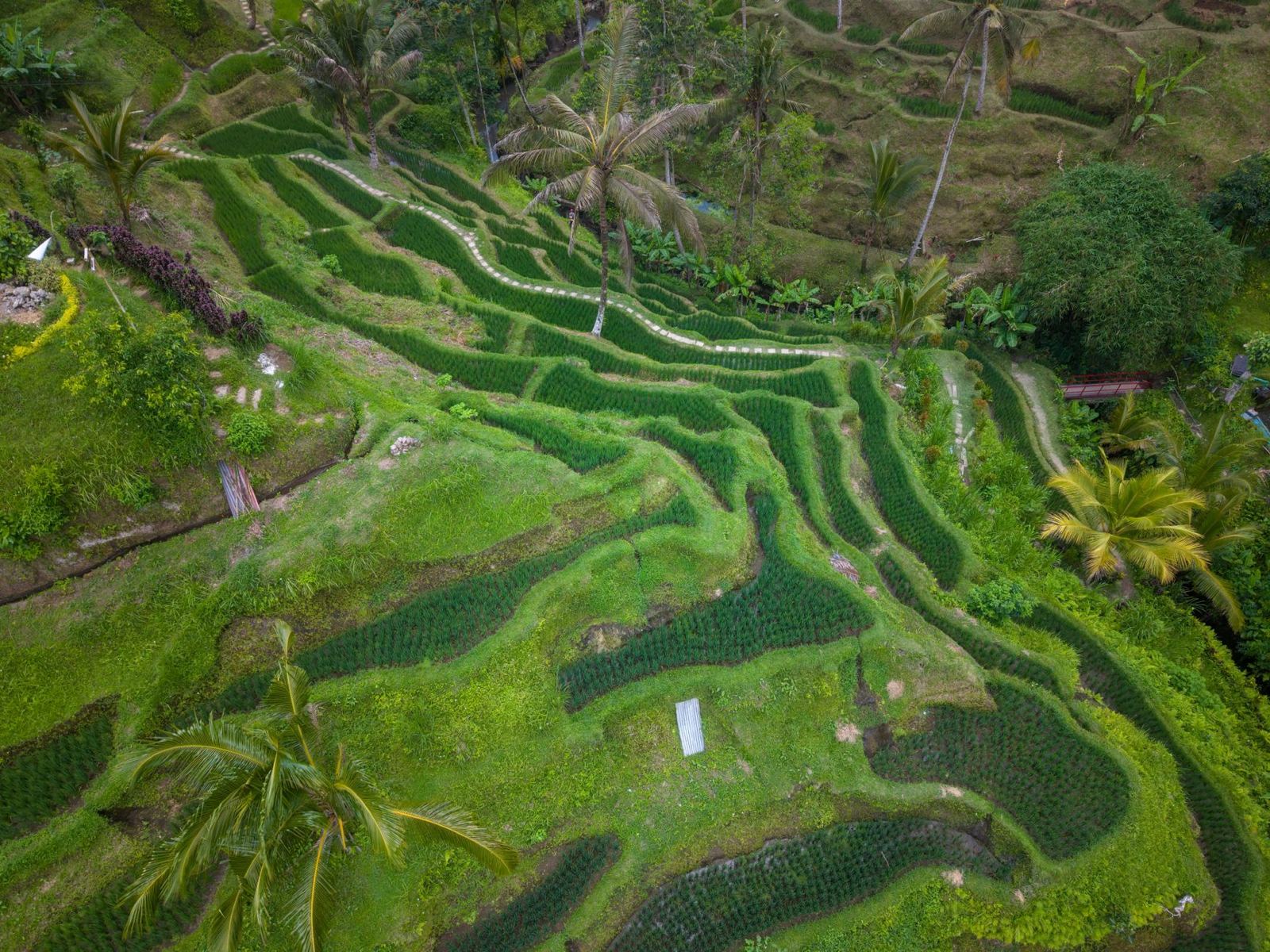
Bali defies a one-word summary because the island is a sum of very different experiences: Canggu's surf cafés, Ubud's rice terraces and yoga studios, the calm coasts of the east, the waterfalls of the north. Decide in advance which Bali you want — or make time for all of them.
The island's true texture lives in its Hindu rituals: the canang sari flower offerings placed on doorsteps every morning, temple festivals, gamelan music. Even amid the noise of traffic and tourism that spiritual layer is always there; slowing down is all it takes to notice.
When to Go
The dry season runs April–October, with May, June and September as the sweet spots: sunny, relatively calm and fairly priced. July–August is peak season. November–March is the rainy season, but showers tend to be short and intense — and the greens are at their most vivid. Nyepi (the Day of Silence, usually March) shuts down the entire island, airport included; if it falls within your dates, plan around it.
What to See & Do
The Ubud area is the island's cultural heart: walk the Tegalalang rice terraces early, save the Campuhan ridge walk for sunset. The Monkey Forest is fun, but keep a firm grip on glasses and phones.
Three temples stand out: Tanah Lot on its sea rock (sunset), clifftop Uluwatu (paired with the kecak dance) and Besakih, the island's mother temple. At the water temple of Tirta Empul you can join the purification ritual alongside locals.
In the east, the Sidemen valley still lives a pre-tourism Bali; in the north, the Munduk area is ideal for waterfall hikes. A day boat trip to Nusa Penida — for the Kelingking beach viewpoint — is tiring but unforgettable. New to surfing? The schools of Canggu and Kuta enjoy some of the world's best beginner waves.
Food & Drink
Warungs (family eateries) are Bali's true kitchen: nasi goreng, mie goreng, gado-gado and babi guling (spit-roast pork) are the classics. Nasi campur — small portions arranged around rice — differs at every warung and is the best way to explore.
The café scene of Ubud and Canggu is world-class, from smoothie bowls to specialty coffee. Grilled seafood on Jimbaran beach is a touristy but delightful tradition. Treat the luwak coffee marketing with scepticism; ordinary Balinese coffee (kopi Bali) is already delicious.
Practical Tips
The truth about transport: public transit barely exists. For short hops, the Gojek/Grab apps are cheap and practical; for long days, hiring a car with driver (fixed daily rate) is the most comfortable solution. Renting a scooter buys freedom, but traffic is chaotic — helmet and international licence essential.
Sarongs are mandatory at temples; they're provided at the gate or sold for a few dollars. Bargaining is normal in markets — start at half the first price. Don't drink tap water. Prefer ATMs attached to bank branches to avoid skimmers. Bali time is elastic — 'pelan pelan' (slowly, slowly) is the island's philosophy; don't fight it.