Beijing is the architecture of power: gates aligned on the Forbidden City's axis, the immense scale of Tiananmen, the perfect geometry of the Temple of Heaven. Capital of empires for eight centuries, this city explains better than anywhere on earth how authority is carved into stone.
But in the shadow of official Beijing lives neighbourhood Beijing: the courtyard houses of the hutongs, old men over board games, bicycle bells and mid-morning park life. The city is incomplete without both — give your mornings to the emperors and your late afternoons to the hutongs.
When to Go
September–October is the golden season: the crisp 'Beijing autumn' sky, mild days, ideal conditions for walking the Wall. April–May is the second window (spring dust storms are rare but possible). Summer is hot and stifling; winter severe — though the Forbidden City under snow is the city's most legendary photograph. Absolutely avoid the national holiday weeks (especially October 1–7).
What to See & Do
Book Forbidden City tickets days ahead with your passport number (there is no ticket window) and aim for first entry; give the south–north axis at least half a day. On exit, climb the hill of Jingshan Park — only from there does the palace's sea of golden roofs appear whole.
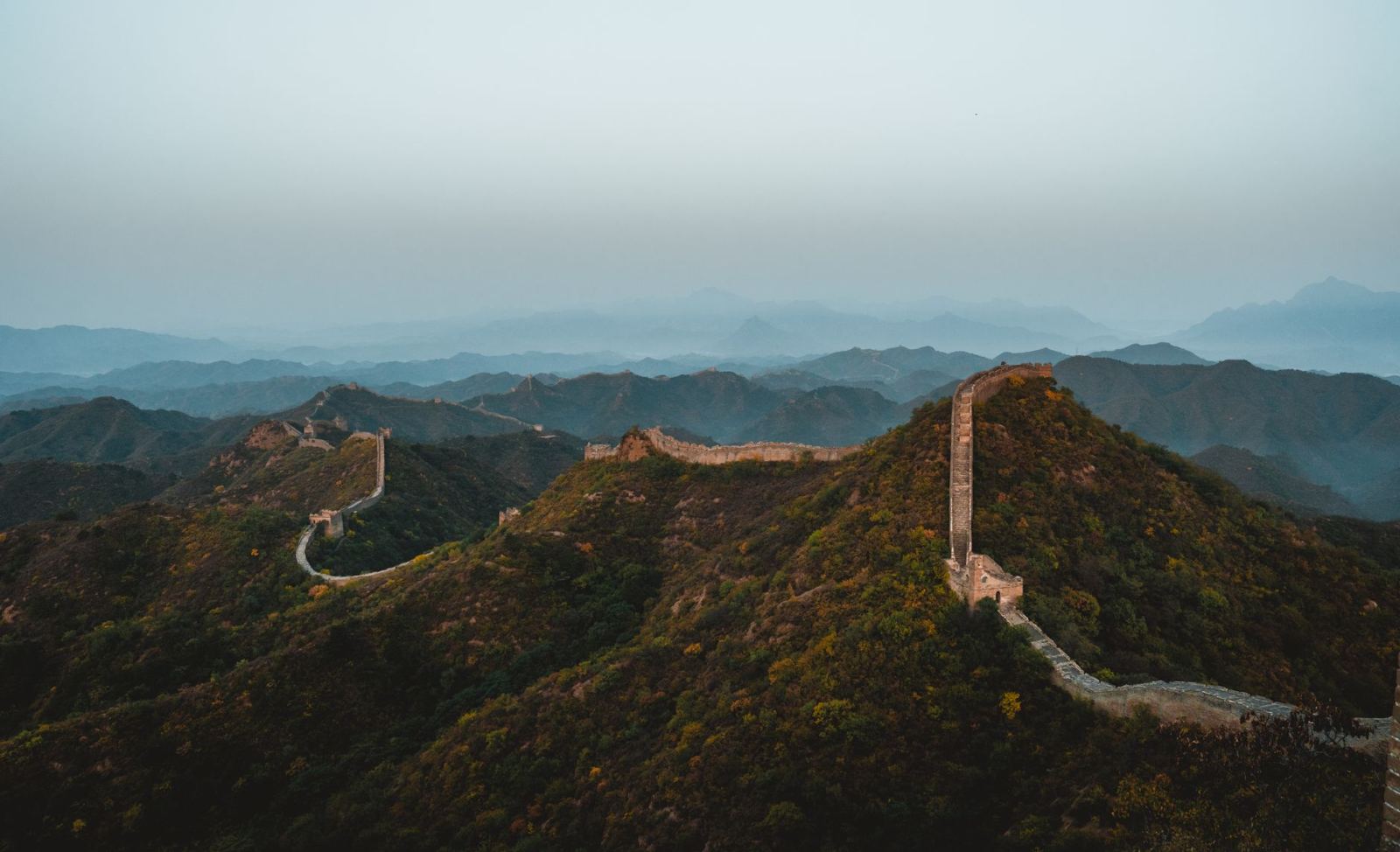
On the Great Wall, choosing your section is critical: Mutianyu (cable car, restored, family-friendly) is the best balance for most visitors; Jinshanling, part-restored and part-wild, belongs to hikers. Steer clear of Badaling's crowds. Whichever you choose, leave early.
Go to the Temple of Heaven at 7 a.m.: before the temple itself, the park — tai chi, choirs, dancing retirees — is the city's liveliest stage. The Summer Palace's lake and gallery complex wants half a day. Do your hutong chapter around Gulou (the Drum Tower); when Nanluoguxiang's main lane clogs, slip into the parallel alleys. The 798 Art District showcases Chinese contemporary art in a former factory complex. The incense-filled courtyards of the Lama Temple are the city's most atmospheric place of worship.
Food & Drink
Peking duck demands seriousness: choose the storied houses that roast over wood and carve at the table; the duck is wrapped in thin pancakes with leek and sweet bean paste. Zhajiangmian (noodles with soybean paste) is the city's everyday pride.
For breakfast, jianbing carts and douzhir (fermented mung bean drink — a courage test) are part of the local morning. In the hutongs, chuan'r (Uyghur-style skewer) stalls smoke through the evenings. Imperial cuisine and Shandong classics live on in the historic restaurants; hotpot (especially Beijing-style lamb in a copper pot) is winter's essential. Skip Wangfujing's 'exotic' tourist stalls and look instead at the midnight crayfish culture along Guijie (Ghost Street).
Practical Tips
The digital rules for Shanghai are even more critical here: set up Alipay/WeChat Pay in advance, install a VPN before entering China, download a translation app. Your passport is checked at every major site — keep it on you.
Advance passport-linked reservations are now standard for the Forbidden City, the National Museum and other popular sites; the 'buy at the gate' plan fails. The metro is vast and cheap, but city distances deceive — two major sights a day is the realistic limit. The Didi app replaces taxis. On Wall tours, avoid the cheap ones with 'jade factory stops'; direct transport or a reliable private transfer is better. Air quality has left its old notoriety behind, but carrying a mask harms nothing if you're sensitive.