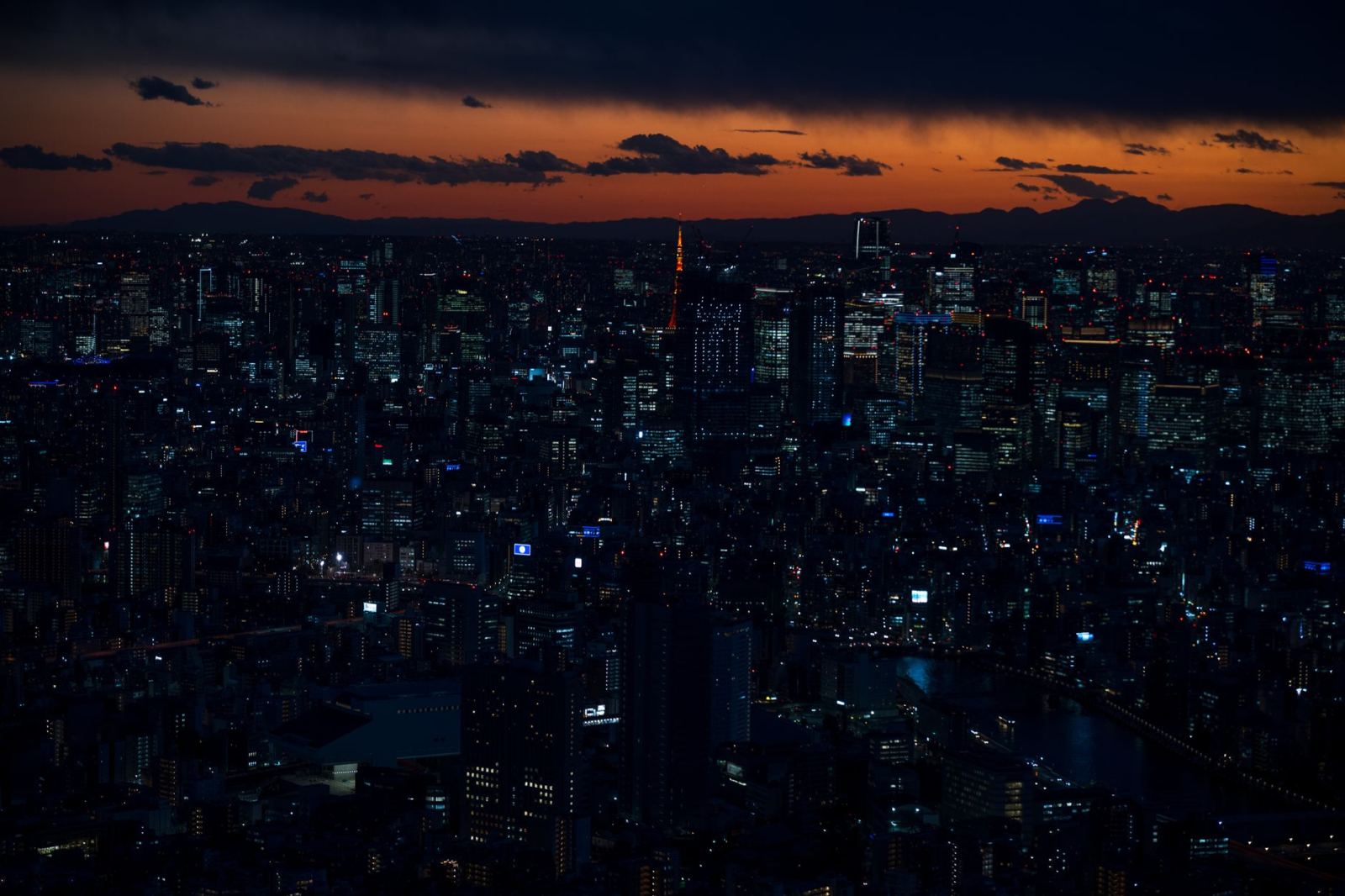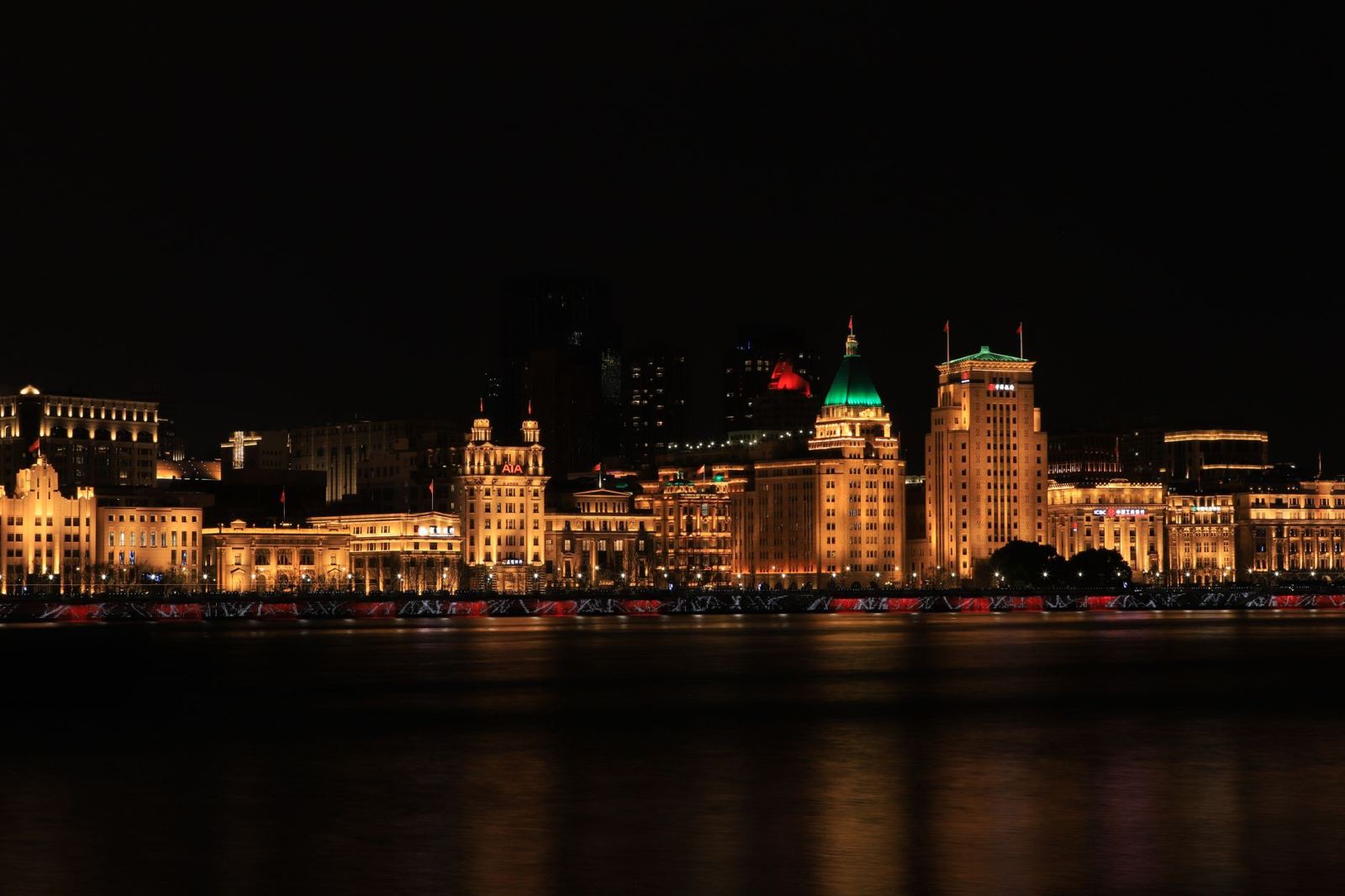
Shanghai's story is summarised in a single view: 1920s art deco banks on the west bank of the Huangpu, the skyscrapers of the future on the east. Standing on the Bund watching these two centuries stare at each other is the city's introductory lesson.
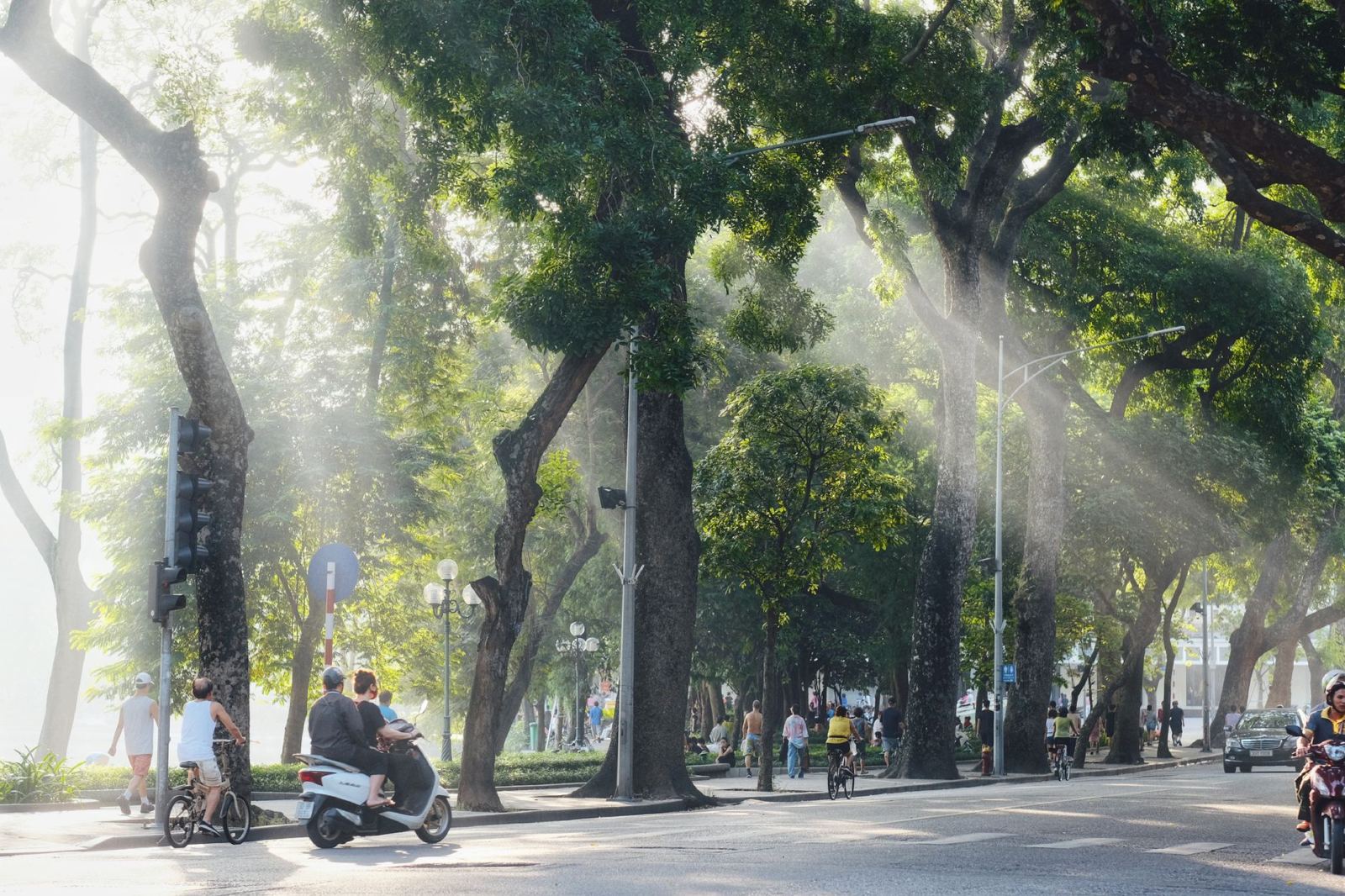
But Shanghai is more than a skyline: the plane-tree streets of the former French Concession, the laundry-strung lanes of the lilongs (traditional rowhouse neighbourhoods) and one of the world's most ambitious food scenes make the city a different place at street level. This is China's most Western city — which is exactly why it makes the ideal gateway to China.
When to Go
October–November is prime: clear, dry and mild. Late March–May is the second-best window. June is the rainy season; July–August a humid furnace. Winter is rarely snowy but brings a damp cold that seeps into the bones. During Chinese national holidays (the May 1st week, the first week of October, Spring Festival) everywhere is extremely crowded — avoid those dates.
What to See & Do
See the Bund twice: early morning with locals doing tai chi, and in the evening when the Pudong towers light up. Crossing over for the Shanghai Tower observation deck — or the skyline from a rooftop bar — gives the other side of the coin.
Yu Garden is the textbook of classical Chinese garden art — go weekday morning, braced for the bazaar crowds around it. In the former French Concession, an aimless walk along the Wukang Road–Anfu Road axis, all cafés and art deco villas, is the city's most pleasant afternoon; Tianzifang's narrow lilong lanes are touristy but photogenic.
The Shanghai Museum (ancient Chinese collection, free) and the contemporary galleries of the West Bund fill the art chapter. The water town of Zhujiajiao — canals and stone bridges — is the most practical 'Venice' escape, reachable by metro. An evening Huangpu river cruise gathers both banks in one ride. The gardens of Suzhou or Hangzhou's West Lake, 50 minutes by bullet train, make powerful day trips.
Food & Drink
Shanghainese cooking is refined and leans sweet: xiaolongbao (soup dumplings — bite first, sip the broth), shengjianbao (their pan-fried cousin), drunken chicken and red-braised pork (hongshao rou). The morning classic jianbing (savoury crepe) comes from street carts.
The 'four warriors' of the local breakfast (dou jiang soy milk, youtiao fried dough, cifan rice rolls, dabing flatbread) live on in the morning queues. Tea house culture is touristy around Yu Garden, genuine in the French Concession. Shanghai is also China's coffee capital — the title of most cafés of any city on earth periodically lands here. Sichuan, Cantonese, Uyghur kitchens: the best of each is found in this city.
Practical Tips
In China, digital preparation is everything: set up Alipay or WeChat Pay with your foreign card before departure — cash and foreign cards effectively fail in many places. Google, WhatsApp and Instagram are blocked; install a VPN before entering China or use an eSIM/roaming (roaming traffic bypasses the block).
The metro is vast, cheap and signed in English; the Maglev from the airport puts on a technology show at 431 km/h. Use the Didi app instead of hailing taxis. Download a translation app; English thins out beyond the tourist zones. Short-stay visa-free transit and entry schemes change periodically — check current visa rules before you travel. Your passport is requested as ID everywhere; carry it.