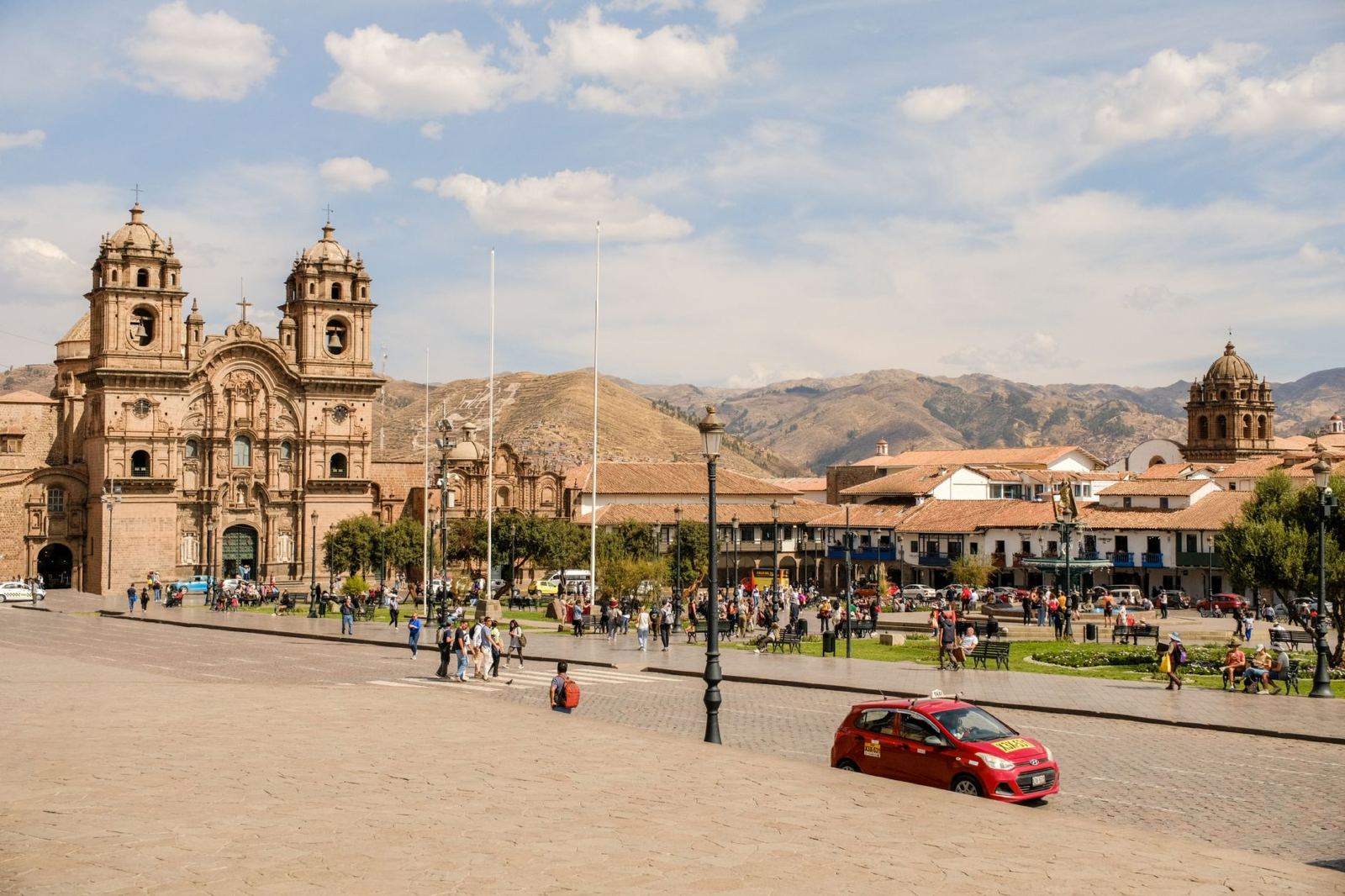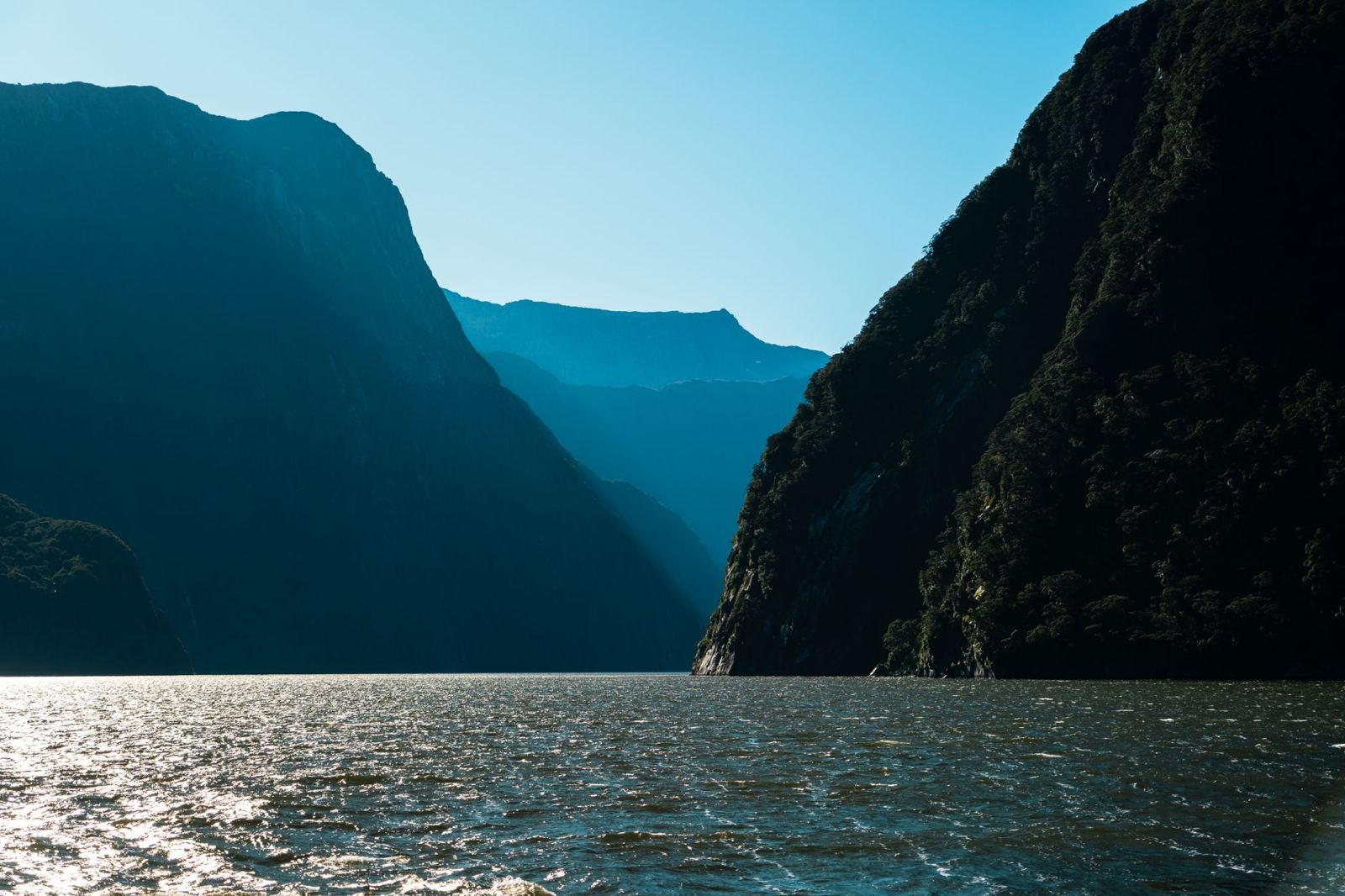
New Zealand proves at every bend that the landscapes mistaken for film sets have a real address: within an hour, glacier, rainforest, fiord and turquoise lake can line up on the same road. One of the world's most sparsely populated developed countries, it keeps wilderness at the doorstep of its main towns.
The two islands are two characters: the North Island — geothermal energy, Maori culture, beaches — is warmer and more settled; the South Island, with its mountain-fiord-glacier trio, is scenery's heavy artillery. The price of distance is honest planning: two weeks serves one island, three weeks stitches both together. A car (or campervan) here is not an option but the trip itself.
When to Go
The seasons are reversed: December–February is the summer peak (long days, every trail open, prices at the top — book lodging and campervans months ahead). March–April autumn, with golden poplars and quietening roads, is the smartest window; October–November spring is lamb-and-waterfall season. Winter (June–August) turns Queenstown into a ski base, and the Milford road can see snow-chain days. And the country's constant rule: four seasons arrive in one day — layers and a rain shell are the pack's fixtures.
What to See & Do
The South Island's spine writes itself: from a Queenstown base (the adventure capital — bungee was invented here) the dawn drive to Milford Sound, Wanaka's lake and lone tree, the glacier valley of Mount Cook/Aoraki (the Hooker Valley walk carries the country's best reward-to-effort ratio) and the dark-sky reserve above Tekapo. The road down the West Coast adds the Franz Josef and Fox glaciers and their rainforest.
The North Island's heart is geothermal: Rotorua's geysers, mud pools and Maori cultural centres (an evening of hangi feast and haka), Taupo's volcanic lake and the world classic of day hikes, the Tongariro Alpine Crossing (19.4 km — demanding a weather window and a shuttle plan). The glowworm caves of Waitomo and the Hobbiton film set are the popular stops on the Auckland–Rotorua line.
The far points reward those with time: the subtropical coves of the Bay of Islands in the north; Kaikoura's whale-and-dolphin waters and the golden bays of Abel Tasman in the south. And the country's best 'activity' is cultural: a marae visit or a Maori-guided tour opens the story behind the scenery — Aotearoa, 'the land of the long white cloud', earns its name.
Food & Drink
The New Zealand table prides itself on island produce kept simple: the lamb sets the world standard, green-lipped mussels and Bluff oysters (May–August) star in the sea chapter, and fish and chips lives on in coastal towns with newspaper-wrap seriousness. The hangi — meat and kumara steamed in an earth oven — is Maori cuisine's ceremonial feast, tasted at its source in Rotorua.
Coffee culture is a pride shared with Australia: the flat white's invention is a sweet lawsuit between the two countries, and the local version justifies the claim. Central Otago Pinot Noir and Marlborough Sauvignon Blanc lift the wine chapter into the world league — cellar door tastings are the road trip's natural pauses. For dessert, pavlova (the second lawsuit with Australia) and hokey pokey ice cream are national identity; kumara chips, L&P soda and the meat pie are the daily road flavours.
Practical Tips
Vehicle truths upfront: traffic runs on the left, distances are budgeted by hours not map (mountain roads pull the average down to 60 km/h), and hiring a campervan solves lodging and transport in one line — but 'freedom camping' rules vary by district, so track permitted sites by app (CamperMate). The kiwi is nocturnal; the roadside signs are not decoration.
Biosecurity is the border's most serious business: food, wood and dirty hiking boots cannot cross undeclared — the fines are heavy. The sun, thanks to the thin ozone, bites harder than Europe's: SPF 50+ here is health equipment, not cosmetics. Sandflies are real on the West Coast and at Milford; repellent is essential. The NZeTA pre-authorisation is mandatory for most nationalities — obtain it before departure. Great Walks hut bookings fill months ahead in season. Tipping isn't expected, the tap water is drinkable, and the Hazards earthquake-volcano app sits ready on every local phone — let it sit on yours too.