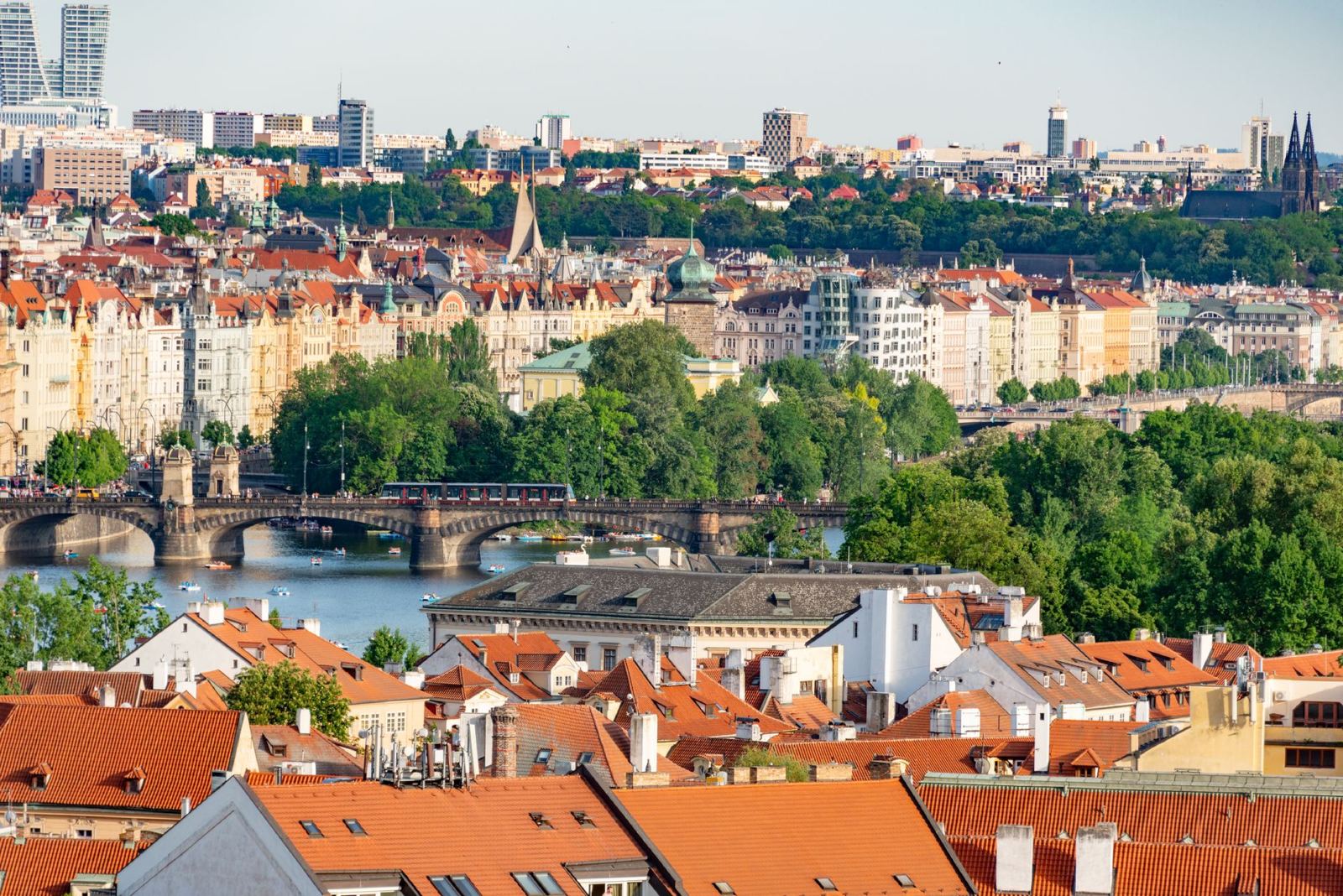
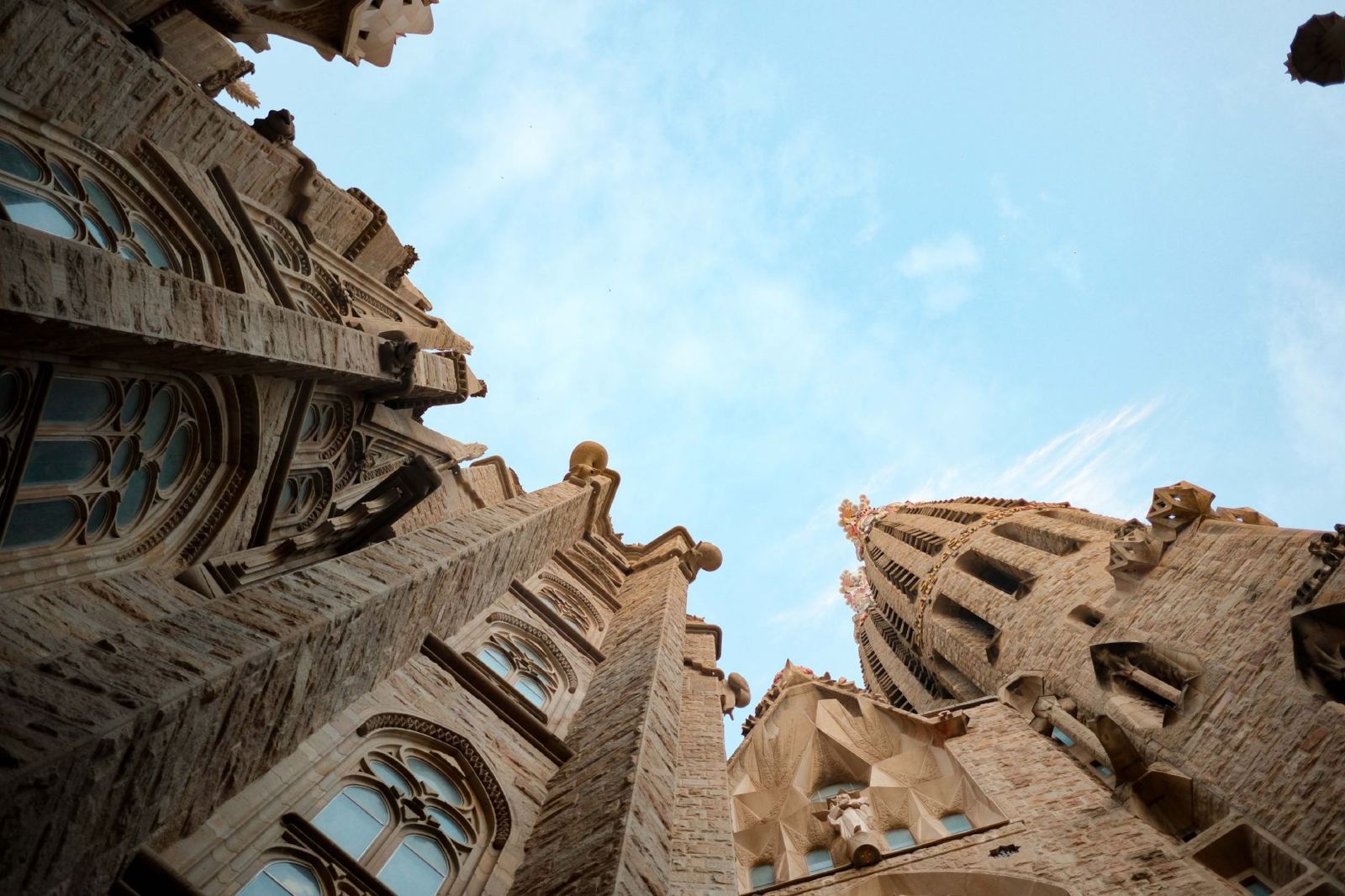
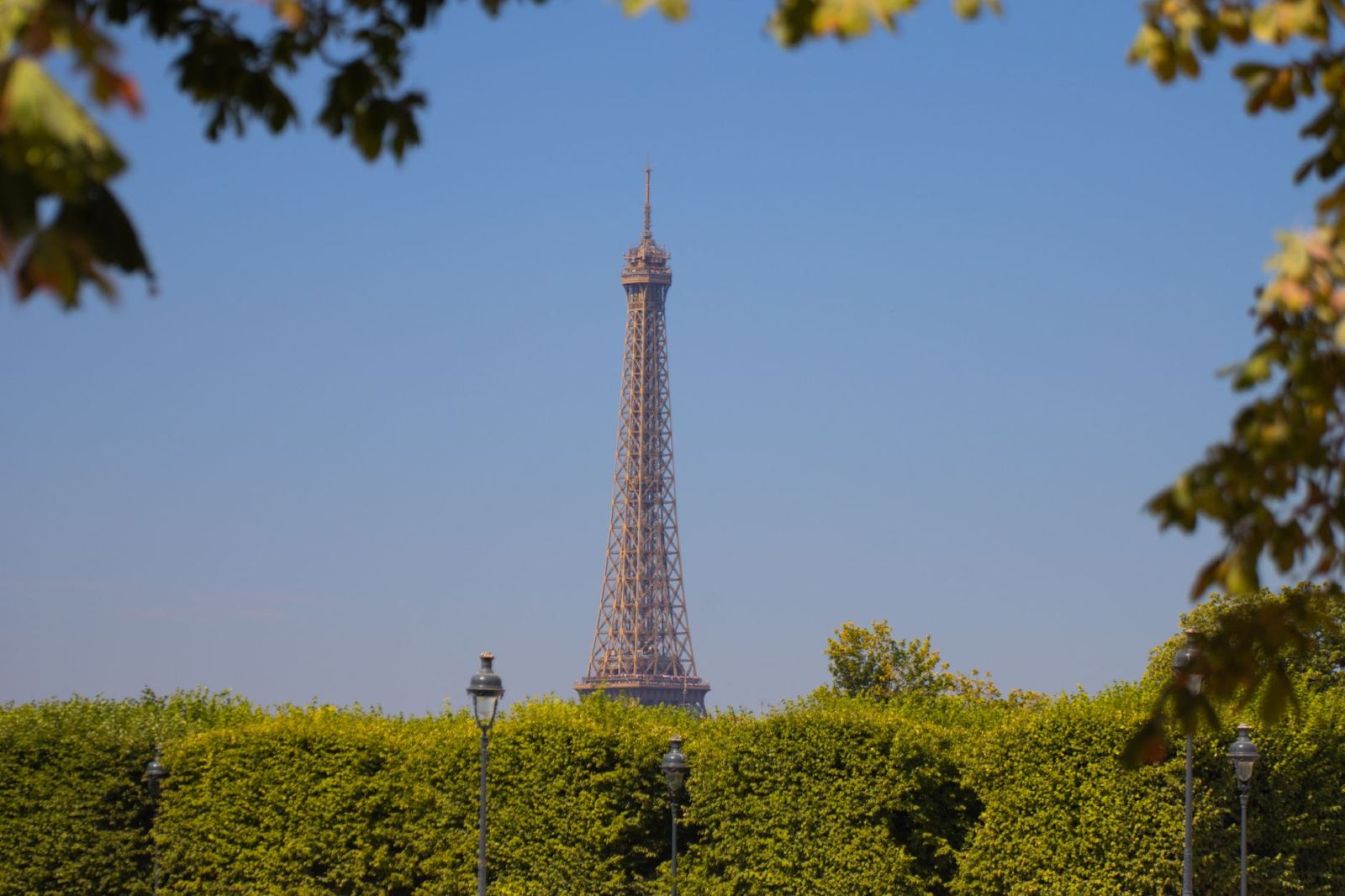
France doesn't carry the title of the world's most visited country by accident — yet most visitors stay in Paris and miss the country's real diversity: from the Atlantic to the Mediterranean, from Alpine summits to the Basque-speaking southwest, every region is nearly a country of its own, with its own kitchen, architecture and pride.
The right scale for a French trip is the region: a week in Provence, a week for the Loire plus Normandy, a week in the southwest — each a satisfying journey in itself. Paris and the Riviera have their own guides; here we compose the rest of the country. Car, train and the Sunday-closed shop are the three fundamental variables of planning.
When to Go
May–June and September mark the countrywide peak of the light-crowd-price balance. The lavender window is narrow: late June to mid-July on the Provençal plateaus. In July–August the French themselves are on holiday — coasts fill, Paris empties, small businesses may close. The autumn harvest (September–October) is Burgundy's and Bordeaux's most atmospheric stretch. Winter belongs to Alpine skiing and the Christmas markets of Alsace (Strasbourg, Colmar).
What to See & Do
The Loire Valley is the open-air museum of château architecture: Chambord's double-helix staircase, Chenonceau's gallery over the river and the smaller but living Azay-le-Rideau — toured by car or bicycle from an Amboise base. Normandy joins history and scenery: the tidal island of Mont-Saint-Michel (staying overnight is the secret to outlasting the day crowds), the white cliffs of Étretat and the monumental calm of the D-Day beaches.
Provence is a region of the senses: the villages of Gordes and Roussillon, the lavender frame of Sénanque Abbey, the Roman arena of Arles and the Luberon markets. The neighbouring Verdon Gorge offers Europe's most turquoise canoe ride. In the southwest, Bordeaux's wine châteaux, the medieval villages of the Dordogne and the Sarlat market compose France's finest eating route.
Alsace carries another identity: the half-timbered houses of Colmar and Strasbourg and the wine-road villages (Riquewihr, Eguisheim) showcase the Franco-German synthesis. And the lesser-known cards: Annecy's lake canals, Carcassonne's storybook ramparts, Saint-Jean-de-Luz on the Basque coast.
Food & Drink
In France, cuisine reads by geography: Normandy's butter-apple-camembert triangle; Burgundy's wine-braised stews (boeuf bourguignon, coq au vin); Provence's olive oil and ratatouille; the southwest's duck (confit, magret) and foie gras; Alsace's choucroute; Lyon's bouchon eateries — the title of gastronomic capital still lives there.
Market (marché) culture is part of the journey: every town has its weekly market day, and a picnic built from the cheesemonger-charcuterie-bakery trio beats most restaurant lunches. The cheese chapter demands seriousness: more than 400 varieties, served as its own course at the meal's end. The fixed-price lunch formule remains generous in the provinces. Wine is drunk with its region: Loire whites, Burgundy Pinot, Bordeaux blends, Provençal rosé. And the croissant rule is national: the boulangerie with the morning queue is the right boulangerie.
Practical Tips
The TGV network links the big cities (Paris–Bordeaux in 2 hours, Paris–Avignon 2.5), but regional exploring — Loire, Provence, Dordogne — wants a car; OUIGO is the low-cost TGV alternative. Motorway tolls add up surprisingly; the routes nationales are slow but scenic.
Sunday France is planning's blind spot: in the provinces, supermarkets, shops and most restaurants close — provision Saturday for the Sunday picnic. Lunch service compresses into 12:00–14:00; by 14:30 the kitchen has closed. Any exchange not opened with 'Bonjour' starts badly — that one word is the most valuable travel tool in France. Advance tickets (Mont-Saint-Michel abbey, Chambord) skip the queues. Brace for small-business closures in August. And petrol station food is poor value: the village bakery plus the market always makes the better stop.