Cusco is the capital the Incas called 'the navel of the world', and the city carries the claim in its stones: colonial churches rise on knife-edge Inca walls that admit no mortar — two empires' layers read on a single street. At 3,400 metres, this city is far more than Machu Picchu's gateway; it earns three or four days in its own right.
The golden rule concerns altitude: landing and launching into sightseeing surrenders the first two days to headache. The smart composition is reversed — descend on arrival straight to the Sacred Valley (which lies lower), acclimatise there, see Machu Picchu, and save Cusco for last. The city tastes far sweeter to adjusted lungs.
When to Go
May–September is the dry season: clear days, cold nights, peak crowds — and in June the Inti Raymi sun festival returns the city to its ancient-capital role. April and October offer the best balance of green terraces and thinner numbers. November–March is the rainy season; mornings often break clear before the afternoon downpour — and Machu Picchu shows its misty, dramatic face in these months. The Inca Trail closes for maintenance every February.
What to See & Do
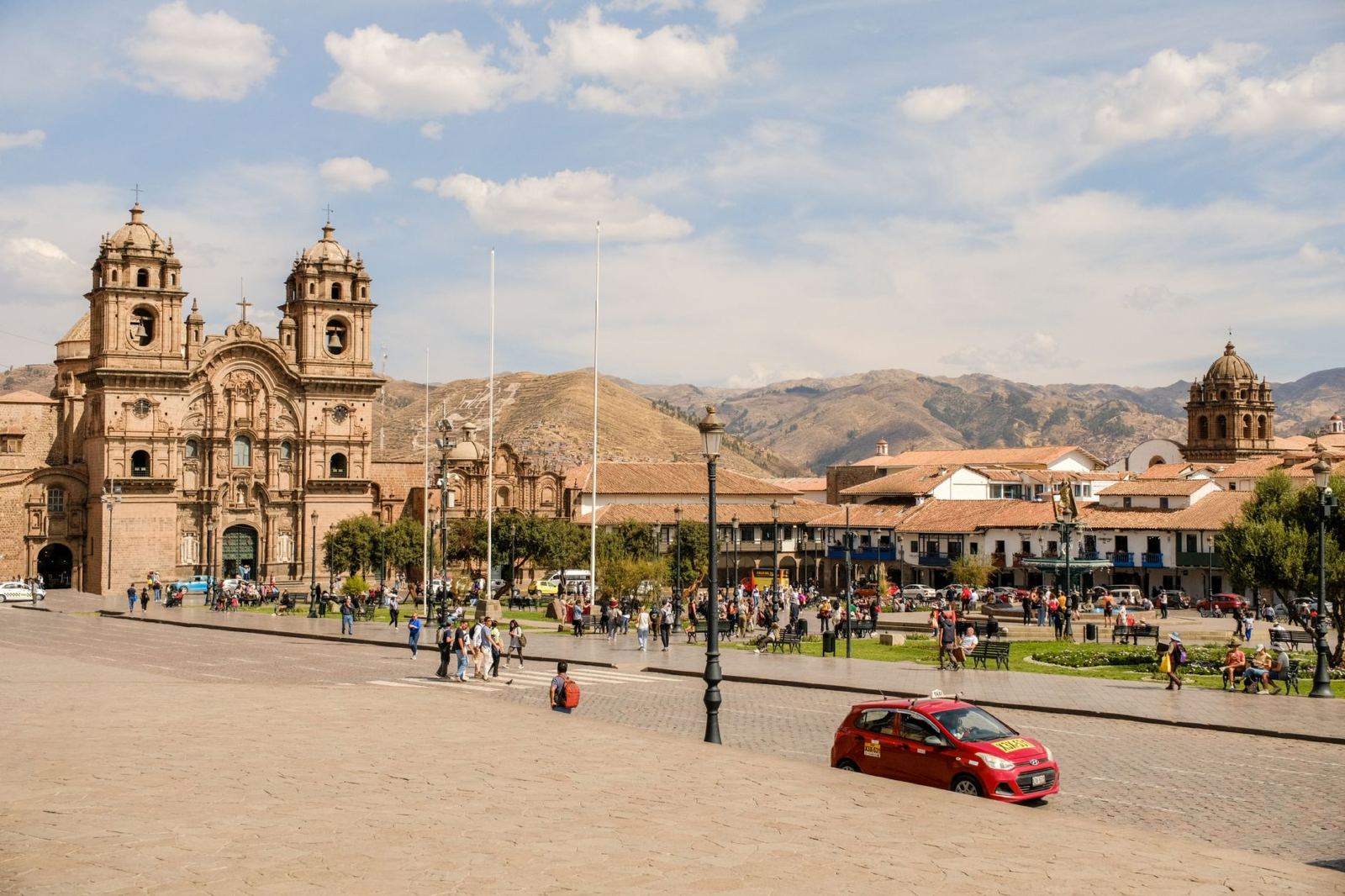
In the city: the cathedral and churches of the Plaza de Armas, the monastery of Qorikancha (the Sun Temple) seated on Inca walls, and the artisan slopes of the San Blas quarter unravel on foot. The giant stone ramparts of Sacsayhuamán overlook the city — the workmanship of its hundred-ton blocks strikes harder than Machu Picchu itself. San Pedro market, with its juice stalls and local lunch menus, is the city's belly.
The Sacred Valley wants a programme of its own: the terraces and market of Pisac, the living Inca town of Ollantaytambo (also the Machu Picchu train's departure point), the circular farming terraces of Moray and the thousands of salt pans at Maras. Chinchero's weaving cooperatives tell the alpaca wool story at its source.
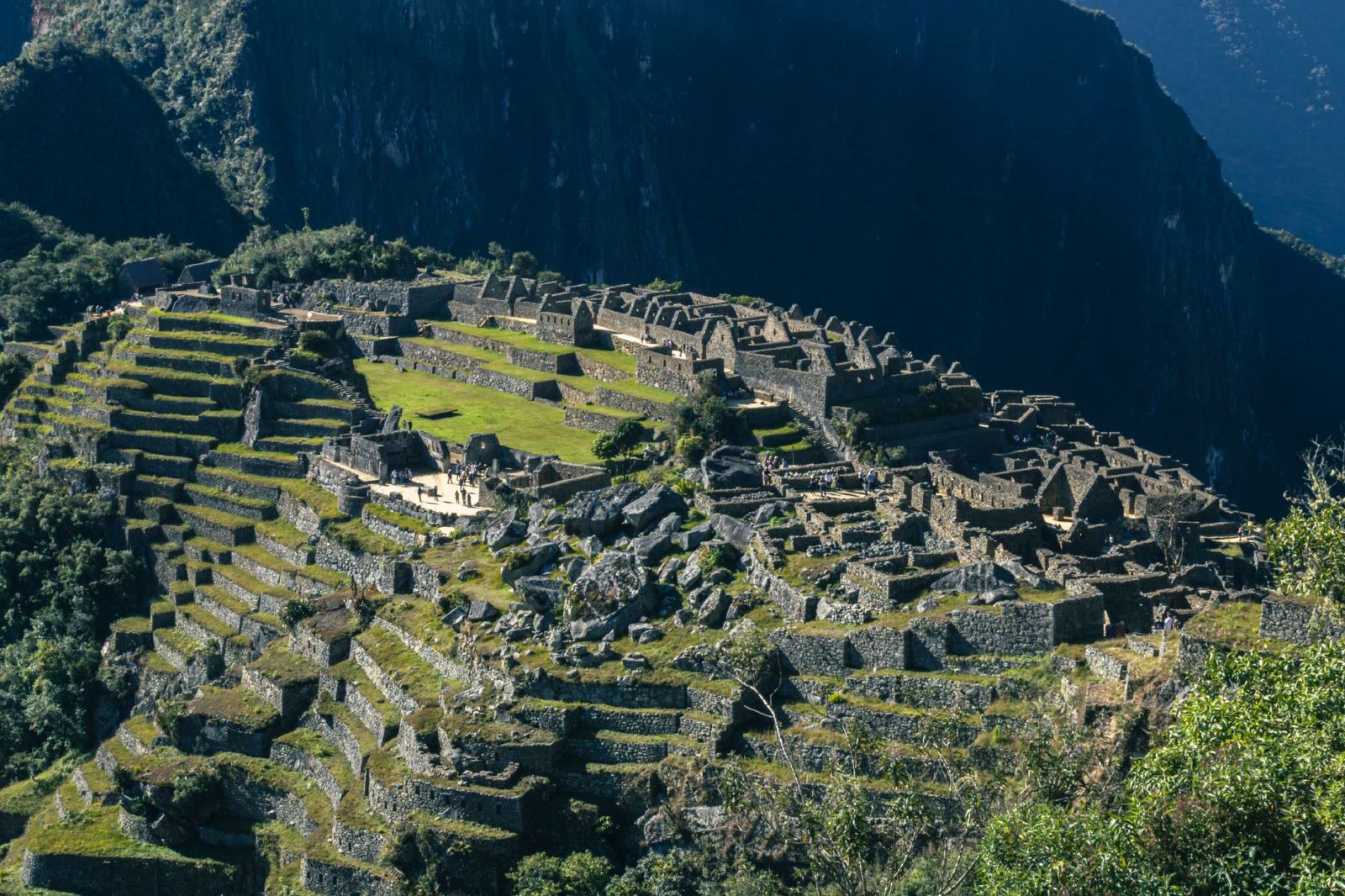
Machu Picchu strategy demands clarity: tickets are timed and routed (choose the upper-terrace circuits for the classic panorama), and the Huayna Picchu or Machu Picchu Mountain climbs need separate permits — buy months ahead for summer. Taking the train and overnighting in Aguas Calientes is the only guarantee of catching the mist lift on the first morning bus. The trekking alternatives run rich: the classic 4-day Inca Trail (permit-capped), wilder Salkantay and the community-touched Lares route. Among the popular day trips, Vinicunca (Rainbow Mountain) tops 5,000 metres — don't attempt it unacclimatised.
Food & Drink
Cusco's table is the heart of Andean cooking: the local menú del día — soup, segundo and a drink — is the city's most honest lunch for a few soles. Among the classics count lomo saltado, aji de gallina and soups of chuño (freeze-dried potato); cuy (guinea pig) is ceremonial food, more genuine oven-roasted in village eateries.
The juice floor of San Pedro market is an institution — order the 'jugo especial' with the season's fruit. Chicha morada is the daily drink; chicha de jora (fermented corn beer) is the offering behind doors marked with a red bag (the chicheria sign). A new generation of restaurants carries Andean produce into modern cooking — quinoa risotto and alpaca fillet anchor the menus. Mate de coca waits in every hotel lobby; it befriends altitude, though those facing drug tests should know even coca tea can leave traces. For dessert, picarones and the street ovens' empanadas accompany the evening walk.
Practical Tips
The acclimatisation plan precedes everything: spend the first night in the Sacred Valley if possible (Ollantaytambo, ~2,800 m), settle for a nap and light walking on day one, and double your water. Headache is normal; breathlessness and vomiting are taken seriously.
The Boleto Turístico (tourist ticket) bundles most city and valley sites into one package — choose its scope by your route; Machu Picchu is not included and sells through its own system. Train tickets (PeruRail/Inca Rail) must be bought weeks ahead for summer; departing from Ollantaytambo is cheaper and more practical than from Cusco (Poroy). City nights bite — dress in layers; hotels mostly lack heating, so ask for extra blankets. Fix taxi fares before boarding or use hotel-called cars. Bargaining at craft markets stays gentle; when buying textiles, the cooperative label guarantees the earnings reach the weaver. And the photo ritual: the women posing with alpacas expect a tip in return — it is a business model, not a surprise.