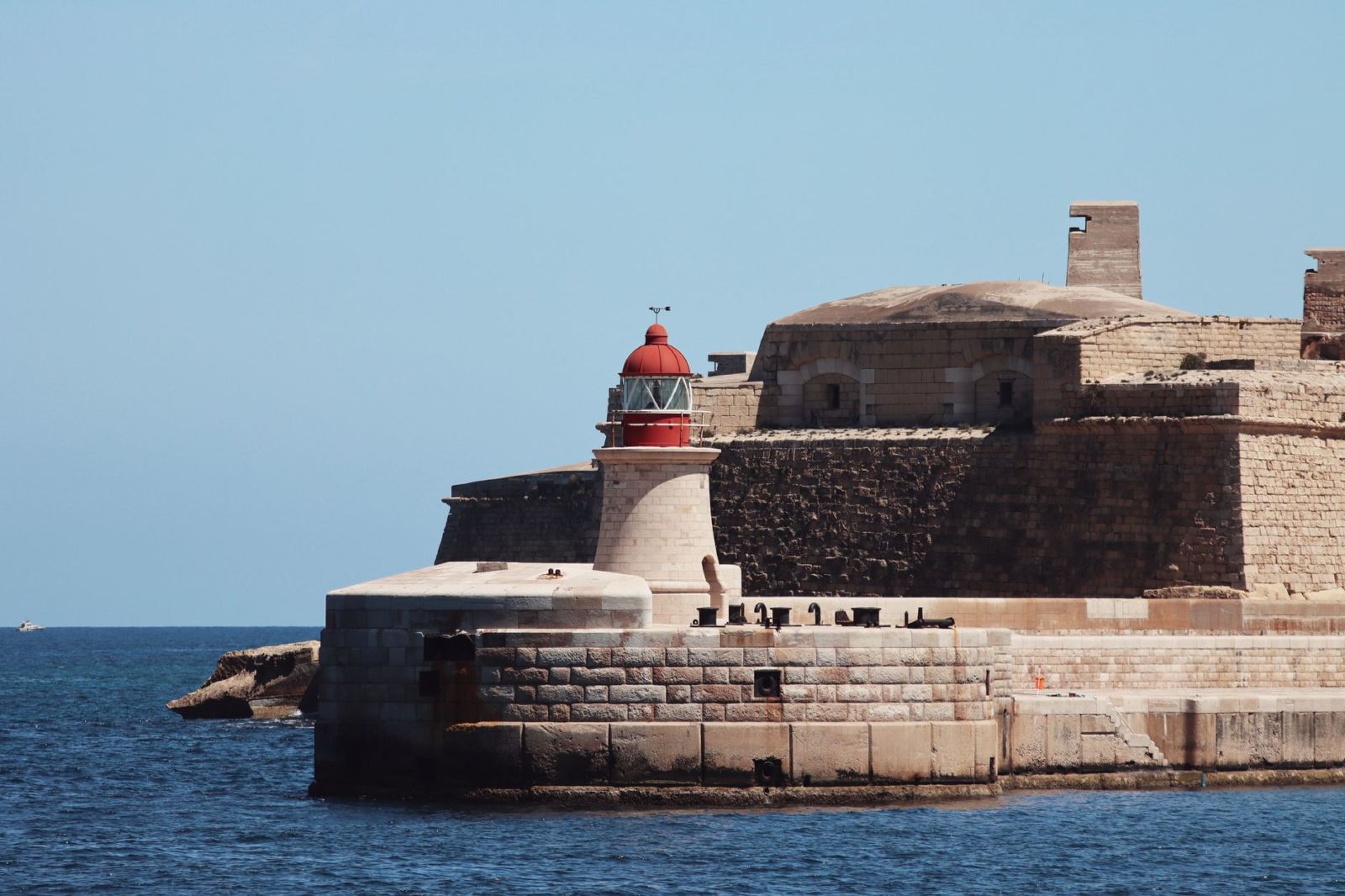
Malta is a dot on the map but a crossroads in history: from Phoenicians to Arabs, Knights to the British, everyone crossing the Mediterranean left a mark on these three islands. The result is one of the world's richest countries in history per kilometre — all of it built in honey-coloured limestone.
The country's scale befriends the traveller: no journey takes over an hour, the bus network reaches every cove and English is an official language. Three islands carry three rhythms: the main island Malta offers history and motion, Gozo slowness and countryside, and tiny Comino a single-beach turquoise pause.
When to Go
April–June and September–October are ideal: the sea swimmable (23°C even in October), the stone cities walkable, the crowds manageable. July–August is hot, full and festival-laden — every village's saint's feast (festa) arrives with fireworks; the atmosphere is the reward, the density the price. Winter is among Europe's mildest (15°C): crowd-free Valletta and falling prices make it the secret season for a city break, while the sea is left to the brave.
What to See & Do
Valletta, the knights' peninsular capital, is an open-air monument UNESCO-listed in its entirety: the plain façade of St. John's Co-Cathedral hides an explosion of gold and Caravaggio's masterpiece — this ticket is beyond argument. The noon cannon fires below the Upper Barrakka gardens against the Three Cities view; crossing by dghajsa (traditional water taxi) to lose yourself in Birgu's lanes is the trip's most atmospheric hour.
Mdina — the 'Silent City' — should be walked in evening light: when the day-trippers leave, the lantern-lit streets return to the Middle Ages. Marsaxlokk's market morning (Sunday above all) takes the fishing chapter with its painted luzzu boats. The prehistoric temples (Ħaġar Qim, Mnajdra and the underground Hypogeum, whose bookings fill months ahead) are older than Stonehenge — the Mediterranean's oldest free-standing structures.
In the sea chapter, Comino's Blue Lagoon is seen on the first morning boat (midday crowds swallow the experience); on Gozo, Ramla's red sand, Dwejra's inland sea and Victoria's citadel fill a whole day. For divers, Gozo ranks among the Mediterranean's best scuba addresses. And the St. Julian's–Sliema strip: the modern shore of language students and nightlife — historic Malta's antidote or its complement, the choice is yours.
Food & Drink
Maltese cooking is the crossing of Sicily and North Africa: pastizzi (crisp ricotta or pea pastries — the kiosk classic for small change) are eaten at every hour, fenek (rabbit stew) is the national dish, and lampuki (mahi mahi) fills the autumn plates. The ftira — Maltese bread stuffed with tuna, capers and tomato — is the beach lunch's honest solution.
Gbejniet (Gozo's small sheep cheeses) and local honey are the market stalls' treasures. In drink, Kinnie (the bitter-orange national soda) and Cisk beer are the daily pair; Maltese wine surprises with its small production. Coffee culture is Italian heritage, the tea habit British — both live on the same square. Fish at Marsaxlokk on Sunday, modern Maltese cooking in Valletta's back lanes by night: that is how the island's gastronomic day is composed.
Practical Tips
The transport truth: the bus network is cheap and comprehensive, but summer services can pass full and delays are normal — build in buffers; the Bolt and eCabs apps solve short hops. Renting a car (left-hand traffic, narrow roads, scarce parking) is an unnecessary burden for most visitors. The Gozo ferry (25 minutes from Ċirkewwa) runs often and is paid on the return.
The Hypogeum ticket is the itinerary's earliest-planned item — the daily quota is small. The shoulder-and-knee rule applies in churches; on festa nights the village squares are open to all — join in. Most beaches are rocky: swim shoes and a snorkel open far more than the sandy ones do. The summer sun demands seriousness, and the stone cities store the midday heat — set Mdina and Valletta for morning or evening, the sea for noon. Malta uses the euro, its sockets are British-type (adapter!), and the tap water is safe but tastes of desalination — most locals prefer bottled.