Berlin is not a beautiful city — and a Berliner would say so with pride. Its pull lies not in façades but in layers: Prussian monuments, war scars, traces of the Wall, and a creative energy seeping into every empty space. No city on earth confronts its own history with such honesty.
Berlin is a federation of neighbourhoods: Mitte's museums, Kreuzberg's street culture, Prenzlauer Berg's cafés, Neukölln's raw energy. Don't look for a single centre; get on the U-Bahn and embrace the city's polycentric nature.
When to Go
May–September is when Berlin lives outdoors: parks, open-air cinemas, canal banks and beer gardens. Winter is long, grey and dark — but museum and club season runs at full throttle and hotels get cheap. Around the anniversary of the Wall's fall in November, the commemorations make a meaningful time for history lovers.
What to See & Do
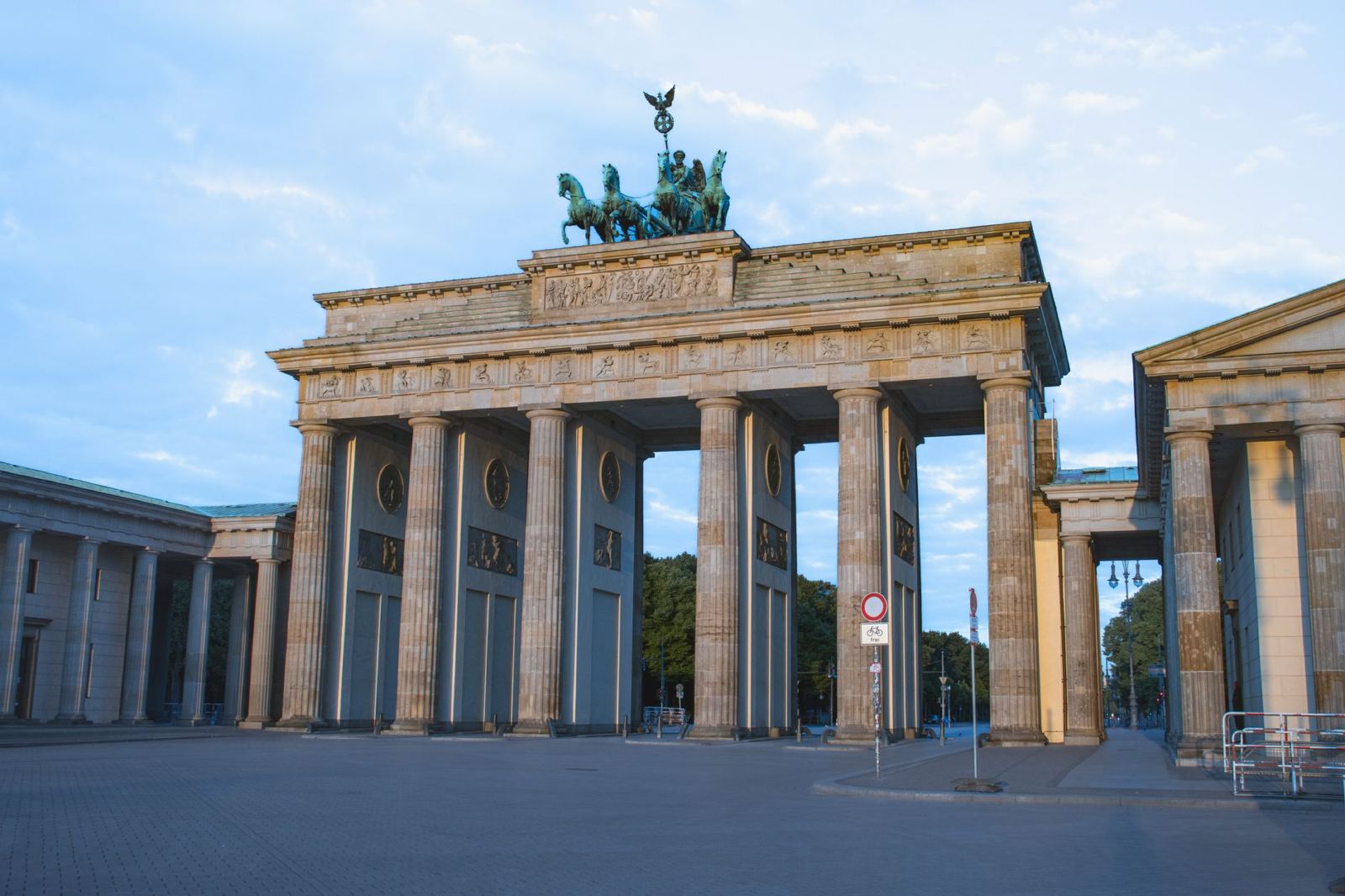
The history route imposes itself: the Brandenburg Gate, the Reichstag dome (free but registration required), the concrete blocks of the Holocaust Memorial, and the Wall's longest surviving stretch at the East Side Gallery. To truly understand the Wall, though, the memorial grounds on Bernauer Strasse are far more powerful.
Museum Island (UNESCO) wants a full day for its five museums; if the Pergamon is closed, Nefertiti at the Neues Museum justifies the visit alone. For contemporary art, Hamburger Bahnhof; for photography, C/O Berlin.
Tempelhofer Feld — cycling, skating and picnicking on the runways of a former airport — is the Berlin experience no other city can offer. Sunday at Mauerpark: flea market, buskers and open-air karaoke. A walk along the Landwehrkanal in Kreuzberg ends at Admiralbrücke in the late afternoon. The best view of the city isn't from the TV Tower but from the abandoned listening station on Teufelsberg.
Food & Drink
Berlin's two street classics are beyond debate: currywurst and döner — the latter took its modern form in this city, and the quality gap between Mustafa's and the corner kiosks is a subject of serious research. Neukölln and Kreuzberg are the heart of immigrant kitchens stretching from the Middle East to Vietnam.
Weekend brunch culture is taken seriously; Street Food Thursday at Markthalle Neun has become an institution. Beer is cheap and good — a bottle from a späti (kiosk) drunk by the canal is Berlin's most local way of drinking. The new restaurant scene surprises: one of the world's best vegan food cultures is here.
Practical Tips
One ticket covers the whole network (U-Bahn, S-Bahn, tram, bus); get a 24-hour or weekly ticket and don't forget to validate it at the platform machine — inspectors are plainclothes and unforgiving.
Berlin still loves cash to a surprising degree; always carry some. On Sundays nearly all shops close (restaurants and cafés stay open). The club door policy legend is real: dress plainly, arrive in small groups and don't talk on your phone in the queue. Bike lanes are serious business; don't occupy them on foot. The city is huge — don't plan more than two neighbourhoods a day.