Italy holds more UNESCO heritage than any country on earth — but its true wealth lies not in lists but in the aesthetics of daily life: the morning espresso ritual at the bar, the midday market haggle over seasonal vegetables, the evening passeggiata across the piazza. In Italy beauty is not the exception but the default.
The country is not a one-trip affair, and accepting that is liberating: the classic triangle (Rome-Florence-Venice) is the first trip's spine; the second opens south (Naples, Puglia, Sicily) or north (the lakes, the Dolomites). City details live in our separate guides — this one is the map for composing Italy region by region.
When to Go
April–June and September–October are the country's golden windows: soft light, walkable ruins, tables full of seasonal produce. July–August is scorching and crowded in the cities; the Italians themselves move to the coast — around mid-August (Ferragosto) city restaurants close for holidays. November–March is the art cities' quiet season: acqua alta risk in Venice, mild winter in Rome, queue-free museums everywhere. For the Dolomites, late June–September is hiking season, December–March skiing.
What to See & Do
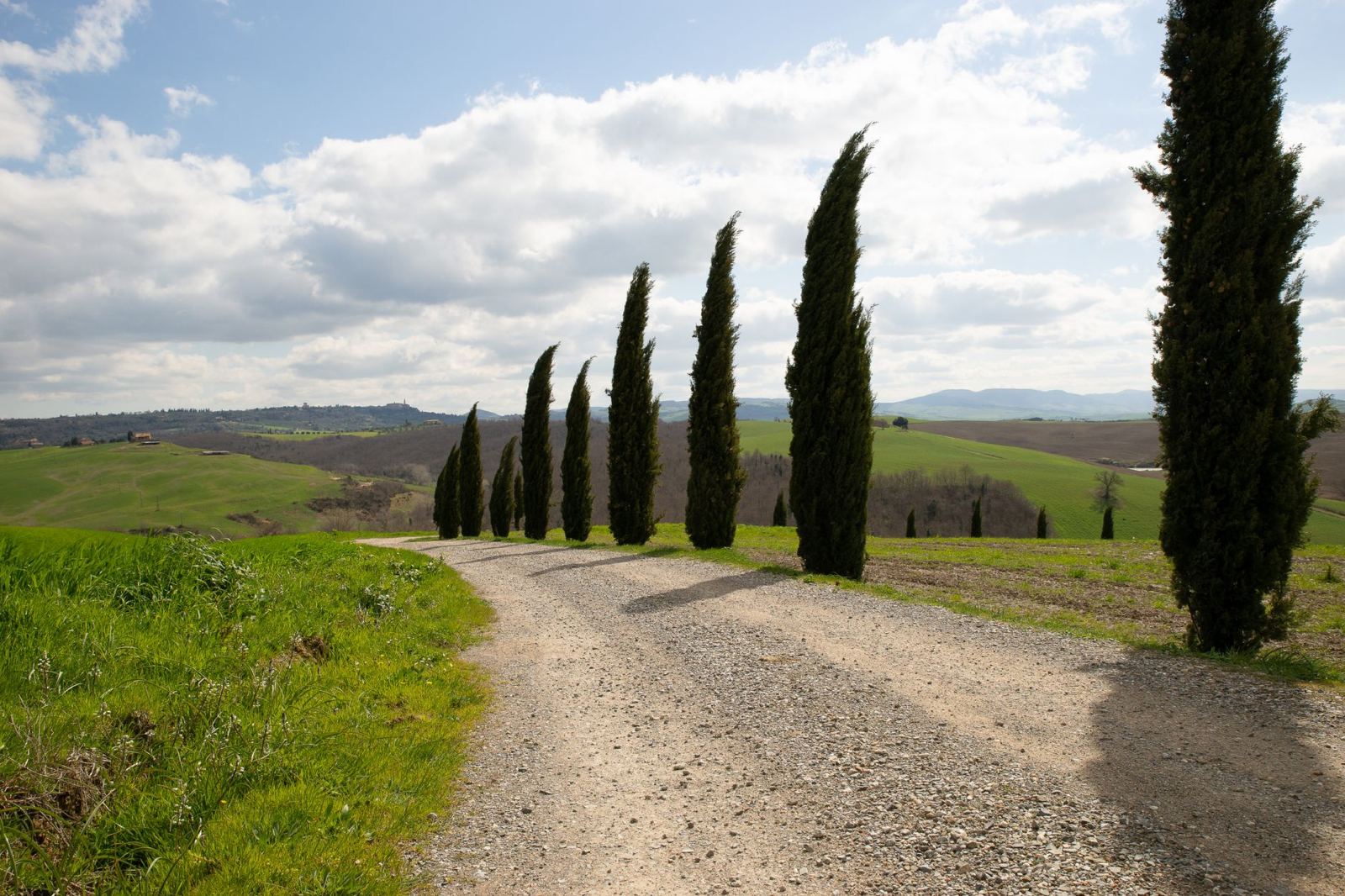
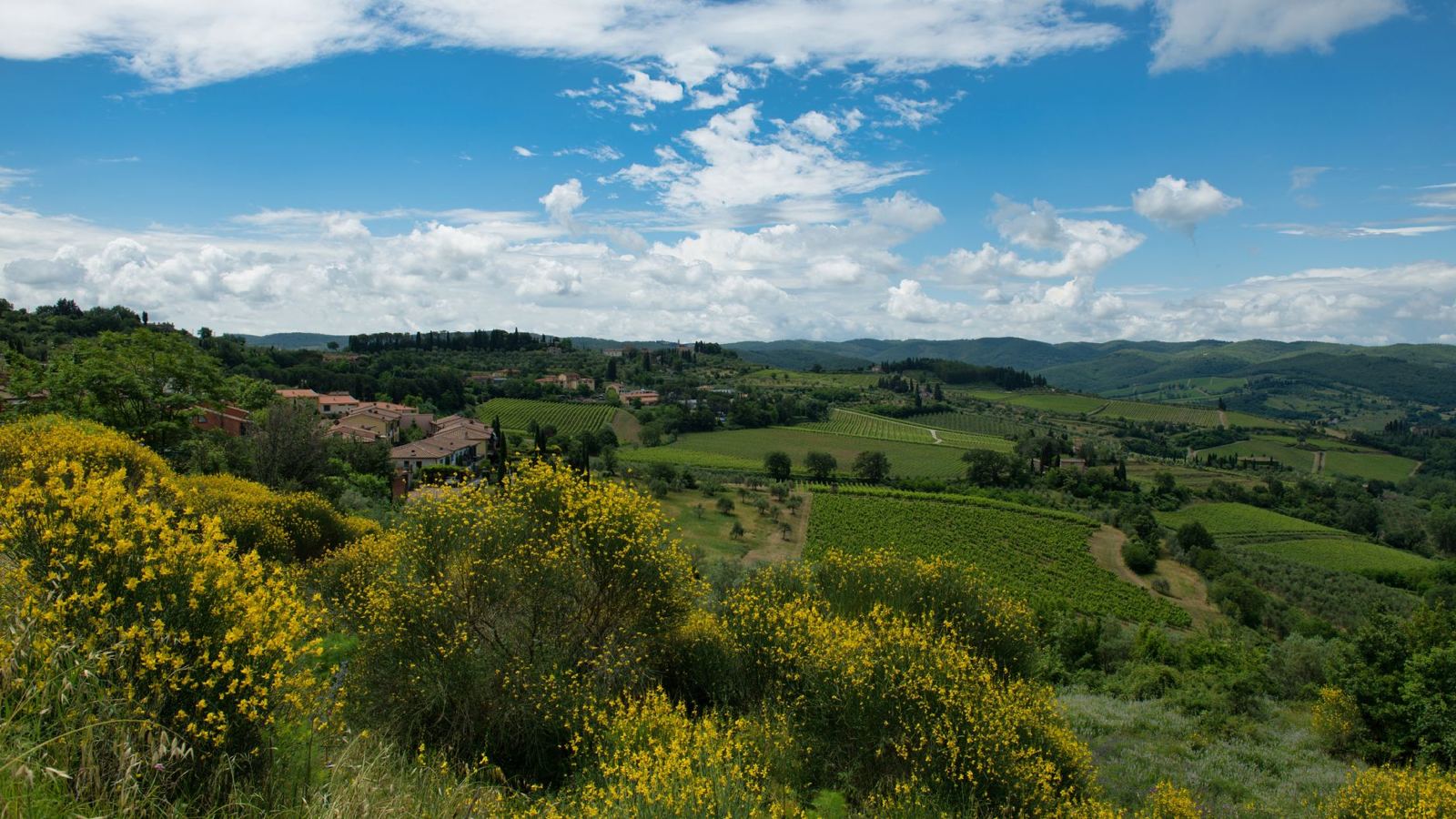
The classic triangle's details live in our Rome, Florence and Venice guides; the question here is 'what next?'. The first answer is the Tuscany-Umbria countryside: Siena's shell-shaped square, San Gimignano's towers, Orvieto and Assisi — with a car and an unhurried programme.
The south is Italy concentrated: Naples' chaotic splendour and pizza heritage, the frozen daily life of Pompeii, the Amalfi Coast (in its own guide) and, for those going further, the cave houses of Matera and the trulli villages of Puglia (Alberobello). Sicily is a country in itself: Palermo's markets, Agrigento's temples, Etna and the island of Ortigia fill a week.
The northern route offers another climate: Lake Como's villa shores, Garda's towns, Verona's arena and the Dolomites' classics of Tre Cime and Alpe di Siusi. The five villages of the Cinque Terre are toured by train — early mornings in summer, and the coastal paths may require a paid card. And Italy's unchanging advice: add one 'do nothing' day to every itinerary; the best Italian memories accumulate sitting idle at the edge of a piazza.
Food & Drink
There is no single Italian cuisine — there are twenty regional ones, and locality is sacred: pizza in Naples, ragù and tortellini in Bologna, carbonara in Rome, risotto in Milan, arancini and cannoli in Sicily. The rule is simple: eat the dish of the region you're in; hunting carbonara in Venice is using the system wrong.
Meal architecture keeps its own rhythm: the bar breakfast (standing espresso plus cornetto), then a long lunch or aperitivo plus dinner. Cappuccino isn't drunk after noon — not a law, but a litmus test in local eyes. Market (mercato) culture lives in every city; the enotecas filling wine from the barrel are budget allies. Coffee is drunk standing at the bar — table service multiplies the price. The gelato rules of natural colour and lidded tins apply here too. And the wine map shadows the food map: Chianti with Tuscany, Barolo with Piedmont, Etna reds with Sicily.
Practical Tips
The train is the intercity backbone: Frecciarossa and Italo high-speed services (Rome–Florence in 1.5 hours) beat flying when booked early; on regional trains, don't forget to validate the ticket at the platform machine. Rent a car only for the countryside (Tuscany, Puglia, Sicily) — the ZTL cameras of historic centres are the classic fine generator for rental drivers.
Museum strategy is uniform nationwide: book the big names (Uffizi, the Last Supper, the Borghese) ahead; state museums are free on the month's first Sunday but crowded. The coperto (table charge) is normal on the bill and tipping expectations are low. Small shops may close between 1 and 3:30 p.m.; dinner before 7:30 is tourist hour. The shoulder-and-knee rule applies in churches. And Italy's true currency is patience: the delayed train, the museum strike, the unhurried service — all part of the experience; adapt with a murmured 'piano piano'.