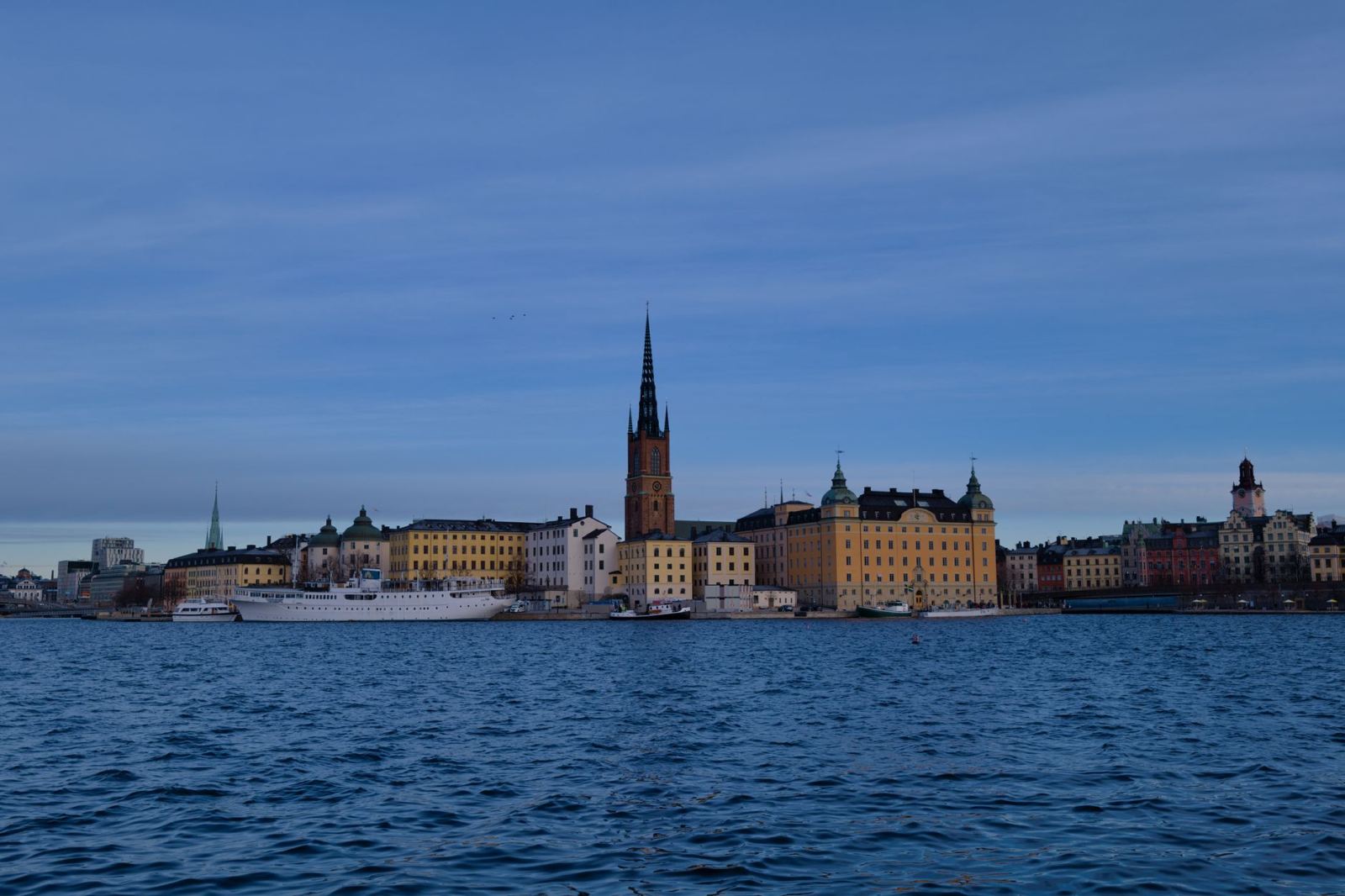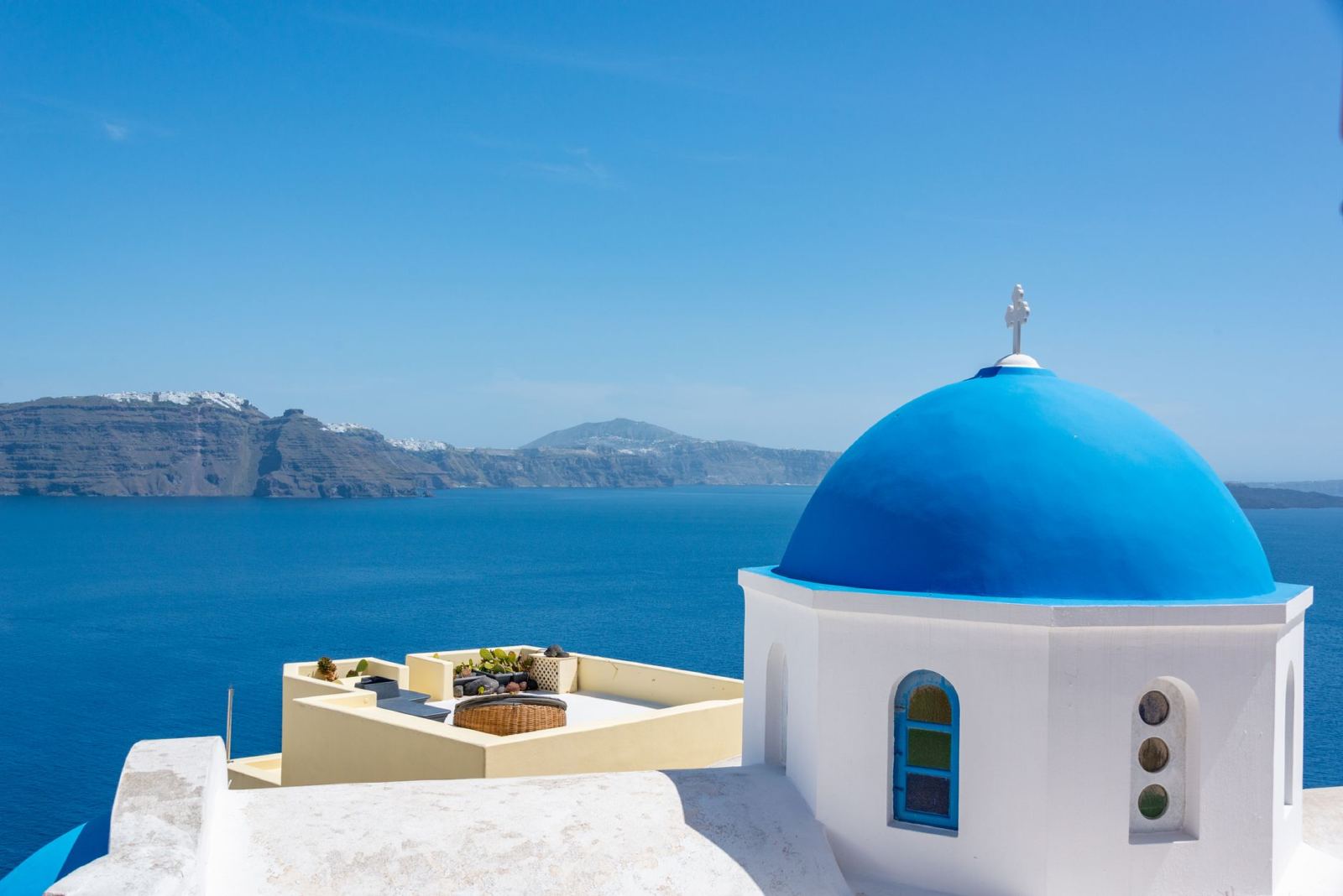
A Greek trip begins with a choice: ancient or island? The correct answer is both — and the country's geography makes the combination easy: you can walk the Acropolis in the morning and drink ouzo in an island harbour that evening. The island choice sets the trip's character: the Cyclades (Santorini, Mykonos, Naxos) are the white-and-blue postcard itself; Crete is a country of its own; the Ionians (Corfu, Kefalonia) are green with a Venetian air; and the Dodecanese (Rhodes, Kos) hug the Turkish coast.
Greece rewards slowness: the ferry deck beats the plane, the second day on an island beats the first, and the taverna where you linger longest becomes the one you remember.
When to Go
May–June and September are the country's golden windows: the sea swimmable, the ruins walkable, the islands able to breathe. July–August is both scorching and full — Santorini and Mykonos overflow in these months; steering toward calmer islands (Naxos, Milos, Sifnos) saves the trip. The meltemi wind can shake summer ferry schedules in the Cyclades. April and October still work well for mainland routes like Athens plus the Peloponnese; most islands shutter by late October.
What to See & Do
Give Athens two days: the Acropolis (at opening), the Acropolis Museum and the Plaka-Monastiraki walk — details live in our separate Athens guide. From there, two strong directions: the Cyclades by ferry or the Peloponnese by car.
The Peloponnese is an underrated treasure: the Lion Gate of Mycenae, the perfect acoustics of the Epidaurus theatre, Nafplio's Venetian grace and the Byzantine hillside of Mystras — all within a two-to-three-day loop. Delphi (the oracle's seat) and the sky monasteries of Meteora are the mainland's other two stars; a sunset tour at Meteora is essential.
For the islands, a balanced first-trip formula: two nights on Santorini (accept sharing the Oia sunset with a crowd; the Fira–Oia caldera walk is superb) plus three nights on Naxos or Milos (beaches, villages, real island life). Plan Crete as its own trip: Chania's harbour, the Samaria Gorge and the pink sand of Elafonisi fill a week on one island. The knights' city of Rhodes and the pastel harbour of Symi are reachable even as day trips from the Turkish coast.
Food & Drink
The Greek table is a sharing table: horiatiki (village salad), taramosalata, saganaki, grilled octopus and calamari open the meal; moussaka, kleftiko and fresh fish follow. Gyros and souvlaki remain Europe's best street food on the price-to-flavour scale.
Island kitchens carry their own signatures: Santorini's fava and tomato fritters (tomatokeftedes), Crete's dakos and its raki culture (tsikoudia), Naxos's potatoes and graviera cheese. Ouzo is drunk with meze, never on an empty stomach — and its clouding over ice is part of the ritual. Don't enter the baklava debate; loukoumades and galaktoboureko are neutral ground. The taverna rule is universal: short menu, local crowd — that one wins. The small treat arriving with the bill (a dessert or tsikoudia) is accepted with thanks.
Practical Tips
The ferry system is the trip's backbone: book summer tickets (especially with a vehicle) in advance — apps like Ferryhopper simplify it; fast ferries are comfortable but twice the price and cancel more often in wind. Build a buffer day into island-hopping plans.
At archaeological sites, the water-hat-early-hour trio is as golden here as in our Athens guide. On the islands, renting a small car beats a scooter (roads are windy and gravelly). After October island hotels close; confirm what's open for spring and autumn trips. Cards are widespread, but carry cash for small tavernas and kiosks. And the ferry-deck rule of thumb: the journey between islands, wind in your face, is not lost time — it is the holiday itself.