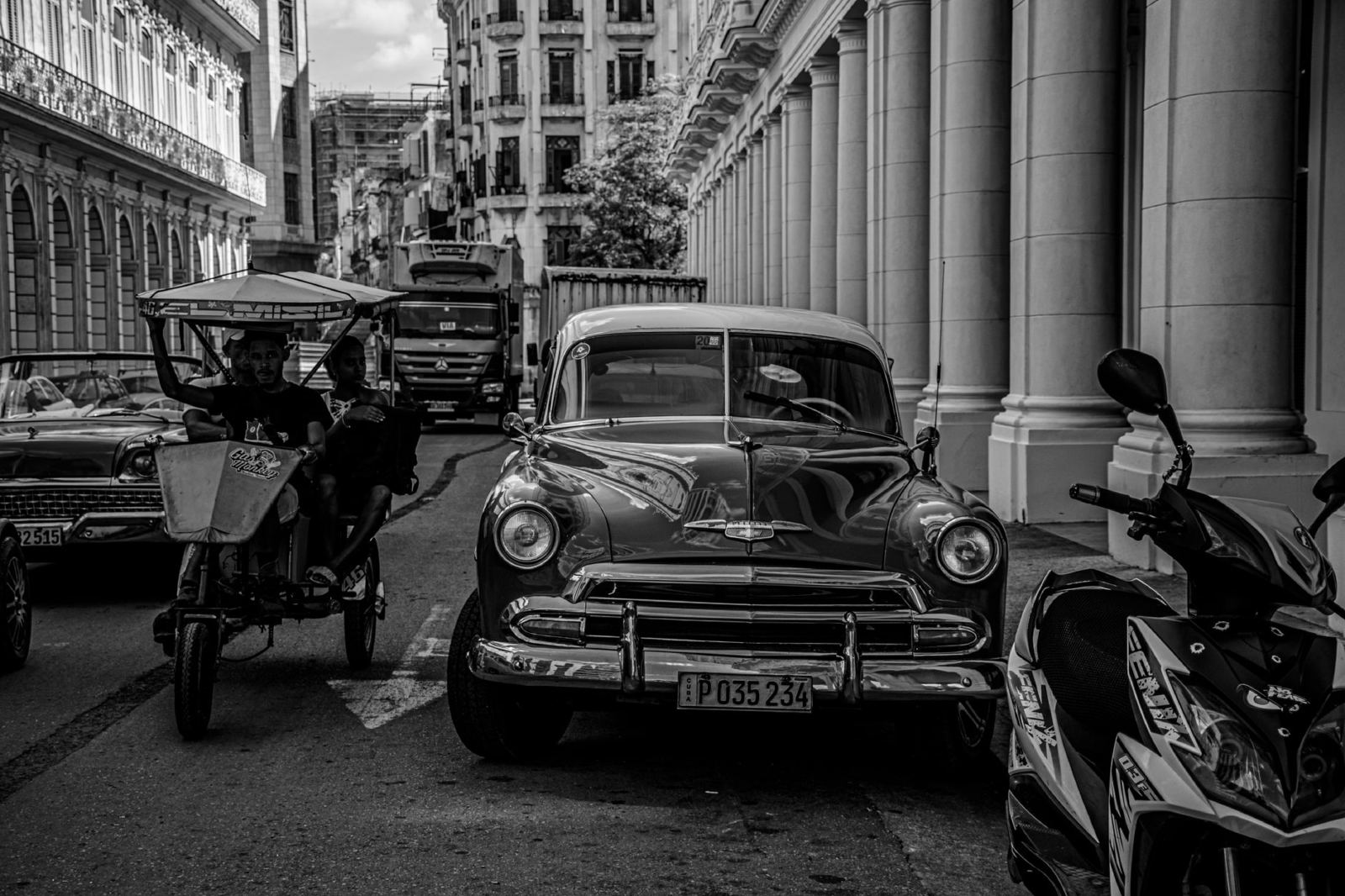
Visiting Cuba is visiting not a country but a time zone: 1950s Chevrolets remain the main means of transport, façades haven't seen paint in half a century, and revolutionary slogans stand where billboards would be. This frozenness is no tourist décor but lived reality — and it makes the island both enchanting and sobering.
The Cuban culture of 'resolver' (making do, working it out) shows scarcity and creativity walking hand in hand. For the visitor, the golden rule is flexibility: the power cuts out, the menu item isn't available, plans change — but the music never stops. Staying in casas particulares (family guesthouses) introduces the island far more intimately than state hotels.
When to Go
November–April is the dry season: sunny, 25–30°C, low humidity — the best and busiest period. December–January is the peak; book accommodation ahead. May–October is humid and hot; August–October carries hurricane season risk. The Havana cigar festival in February and the jazz festival in December serve special interests.
What to See & Do
Havana Vieja (Old Havana) is explored around four main squares: Plaza de la Catedral, Plaza de Armas, Plaza Vieja and Plaza de San Francisco — linked by streets where restoration and decay stand side by side. The Malecón (8 km of seawall) is the city's meeting point at sunset; walking it as waves crash over is a Havana ritual.
The classic car tour (open-top, pink or turquoise) is a cliché but a pleasure along Vedado's wide avenues; agree the price beforehand. Callejón de Hamel is rumba's open-air stage on Sunday middays. Music plays live nightly at the Casas de la Música and Buena Vista-style venues.
Leave Havana: the Viñales valley — limestone mogotes and tobacco fields — is the classic two-day escape, horseback rides and tobacco farm visits included. Trinidad, a perfectly preserved colonial town, is the island's jewel with its pastel streets and the steps of its Casa de la Música; nearby Playa Ancón handles the beach chapter. Choosing the cayos or the Trinidad combination over Varadero's resort strip keeps the island more real.
Food & Drink
The way to navigate Cuban food is the paladar: family-run private restaurants instead of state canteens — livelier menus, warmer service. The classics: ropa vieja (shredded beef), moros y cristianos (rice with black beans), yuca and fried plantains (tostones).
The casa particular breakfast (fresh fruit, eggs, Cuban coffee) is the day's most reliable meal. The cocktail chapter is historical: you are in the homeland of the mojito, the daiquiri and the Cuba libre — Havana Club is everywhere. On the street, fresh-pressed guarapo (sugarcane juice) is the antidote to the heat. Set expectations correctly: supply shortages can shrink menus; 'what do you have today?' is the most functional way to order.
Practical Tips
Money is the critical topic: the situation changes often — research the current exchange system, which currency (euros/dollars) is preferred, and your card's status before travelling; cards linked to US banks don't work, so bring sufficient cash. Internet is limited and unreliable; offline maps (maps.me) and downloaded content are essential.
A 'tourist card' stands in for a visa, obtained via your airline or an agency. Book casas particulares ahead but leave room for flexibility. Between cities, Viazul buses and shared taxis (colectivos) do the job. Drink bottled water. Health insurance is mandatory on entry. Street safety is generally good; the real 'danger' is the persistence of jineteros (touts) — be polite but firm. Patience and humour are the two most valuable items in any Cuba-bound suitcase.