Kyoto was Japan's capital for over a thousand years, and that past has seeped into every stone. More than two thousand temples and shrines, imperial gardens, teahouses and craft workshops — all still part of a living tradition.
Kyoto doesn't reward haste. Seeing the famous temples at eight in the morning and spending the afternoon in a single zen garden gives you far more than racing through ten sites. The city's real magic begins one street off the main roads: wooden machiya houses, small shrines, and the banks of the Kamo river in evening light.
When to Go
Mid-to-late November is koyo season, when the maples turn crimson — Kyoto at its most glorious; late March to early April's sakura is the other peak. Book accommodation months ahead for both. Summer is hot and humid, though the Gion Matsuri festival (July) makes it worthwhile. Winter is quiet and enchanting — Kinkaku-ji under snow is a rare reward.
What to See & Do
Climb Fushimi Inari's ten thousand red torii gates at sunrise; at seven a.m. you're nearly alone, by noon it's shoulder to shoulder. The same strategy applies to Kinkaku-ji (the Golden Pavilion) and the Arashiyama bamboo grove.
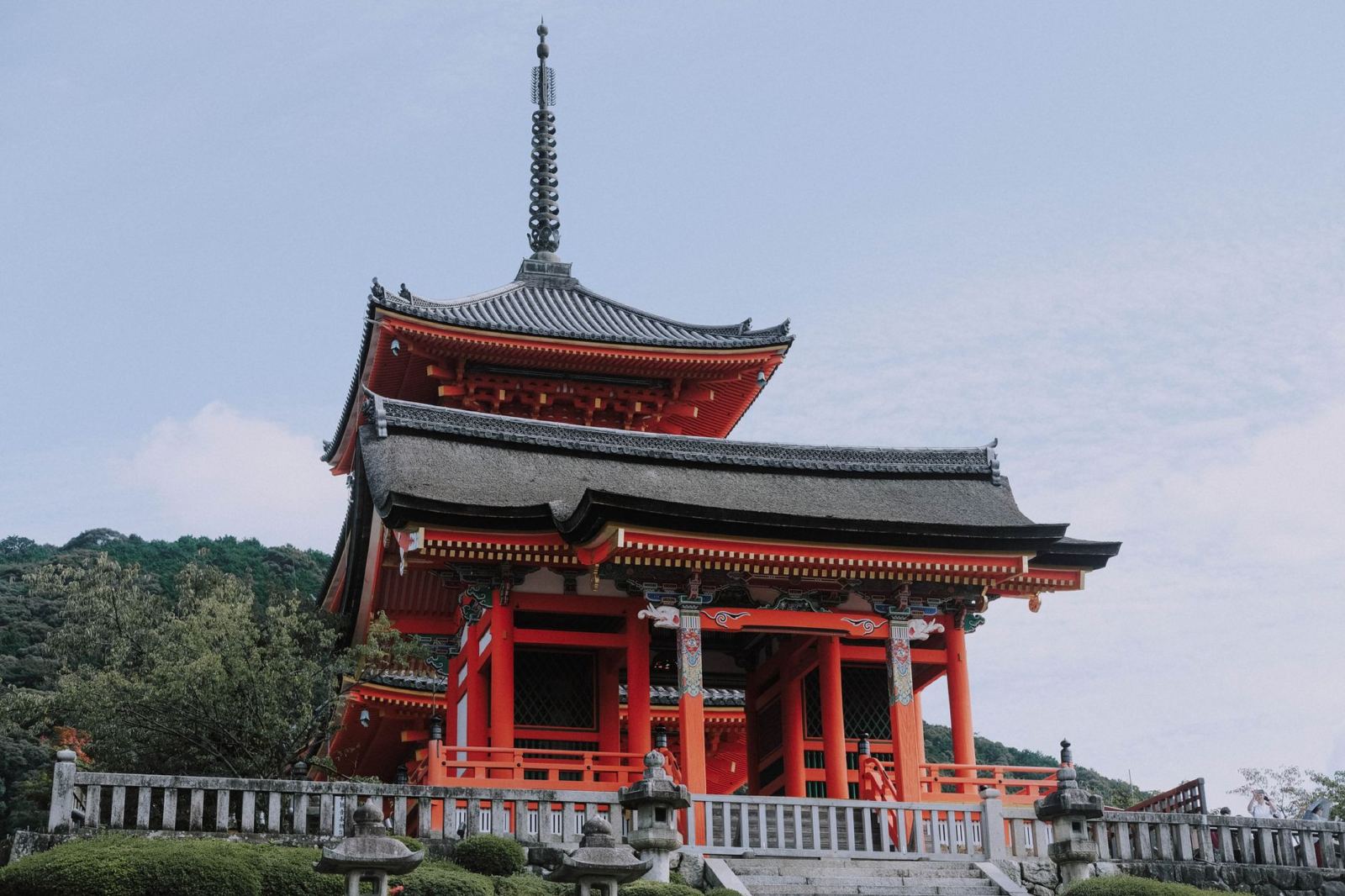
In eastern Kyoto, the Sannenzaka–Ninenzaka slopes descending from Kiyomizu-dera toward Gion form the city's most atmospheric walk, all preserved wooden façades. The Philosopher's Path from Ginkaku-ji follows a canal past small temples.
For the zen garden experience, sit before the rock garden of Ryoan-ji and refuse to hurry. Nishiki Market is ideal for a lunch stop. At dusk on Gion's Hanamikoji street you may glimpse a geiko or maiko — respect the photography rules. With spare time, day-trip to Nara; free-roaming deer and the Great Buddha fill half a day.
Food & Drink
Kyoto's cuisine is refined: if kaiseki (the seasonal multi-course feast) strains your budget, the lunchtime 'kyo-bento' delivers the same philosophy at a fraction of the price. Tofu is an art here — yudofu (simmered tofu) restaurants in Arashiyama are a tradition.
At Nishiki Market, try tsukemono (pickles), tamagoyaki and matcha sweets. Kyoto is Japan's tea capital; a half-hour train to Uji lets you taste matcha at its source. The narrow alley of Pontocho, with its summer riverside terraces, is the most romantic dinner address.
Practical Tips
Kyoto's temples are scattered across the city; plan days by area (east, northwest, Arashiyama). The bus network is comprehensive but slow; metro plus walking often beats it.
Temple entry is usually 400–600 yen in cash. Many temples close at 4:30–5:00 p.m. — don't run late. Kimono rental is popular, but choose comfortable shoes for the steep lanes. Spend at least one night in a ryokan (traditional inn); with tatami, futon and a kaiseki dinner, you touch the essence of Kyoto.