Seoul is the capital of 'ppalli ppalli' (hurry hurry) culture: food arrives in minutes, the internet moves at light speed, trends expire in six months. Yet right beside this speed stand the courtyards of Joseon palaces, the tiled roofs of hanok neighbourhoods and the silence of mountain temples — the city carries centuries on the same metro line.
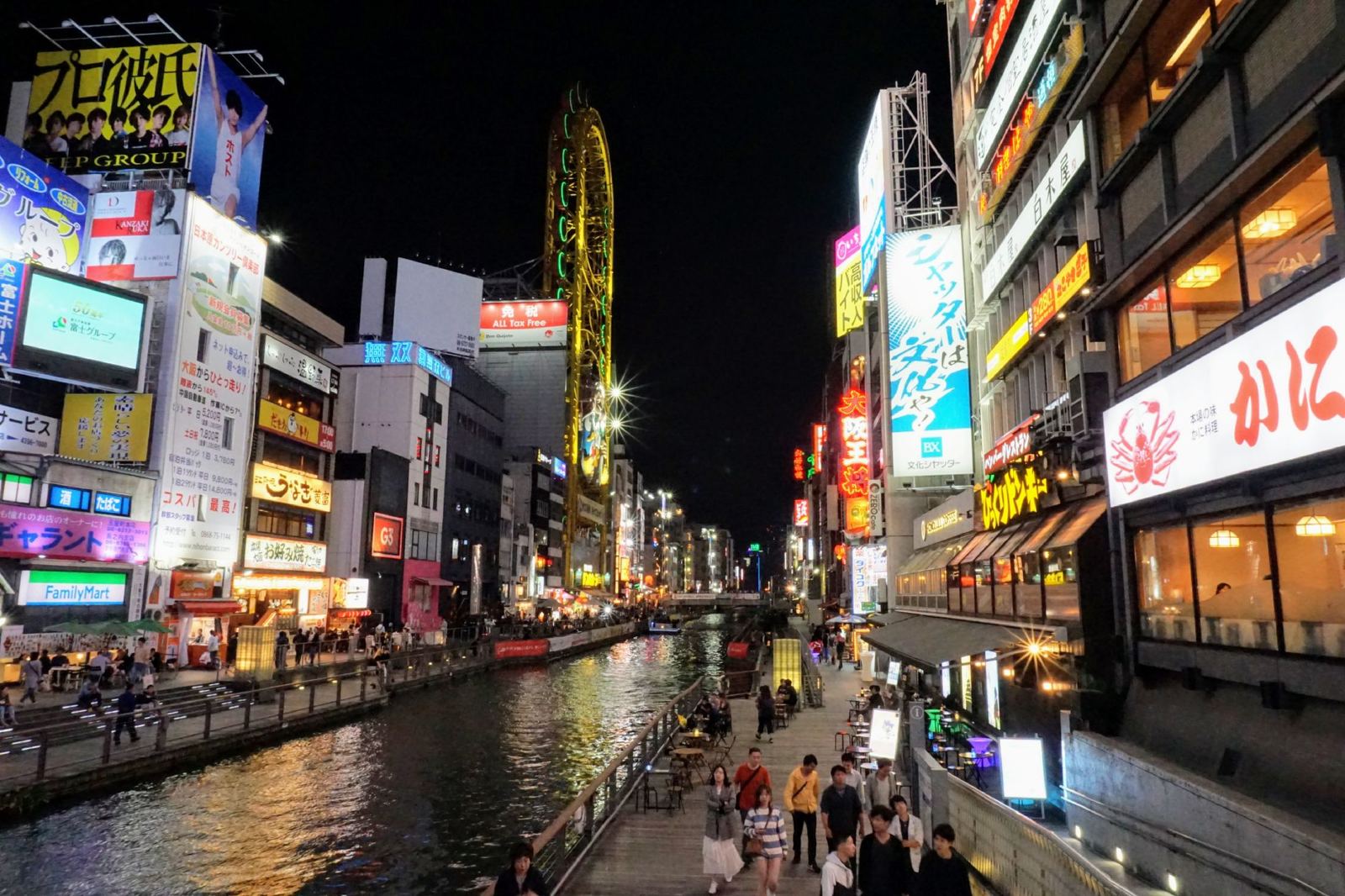
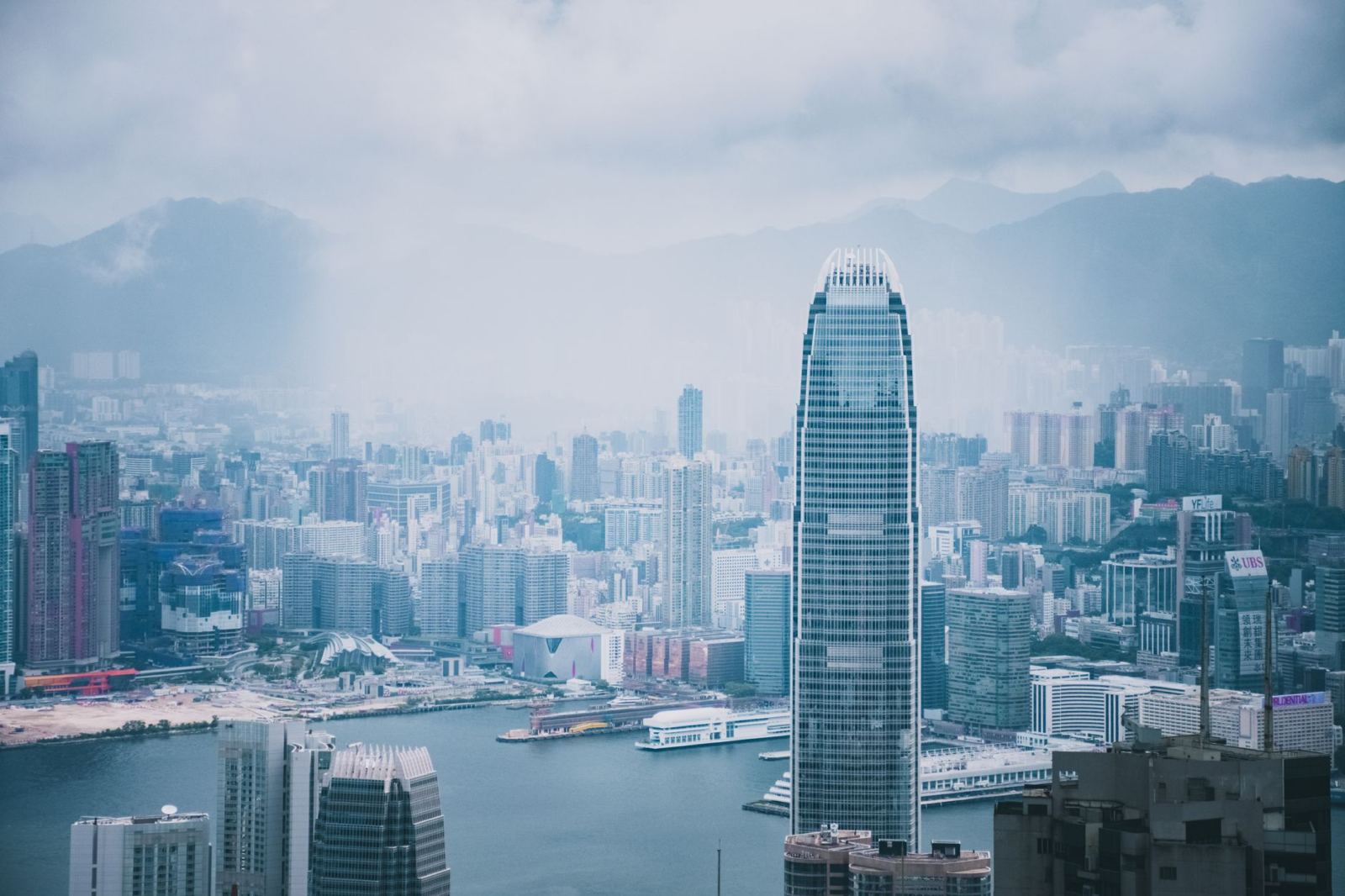
Geography is generous too: Seoul is ringed by mountains, with the Han river running through its middle. Palace in the morning, mountain hike at noon, neon food alleys at night — all in one day. And nightlife genuinely runs till dawn; this is Asia's least sleepy city.
When to Go
April–May (cherry blossoms and mild spring) and September–November (clear skies and autumn colour) are the two best windows. Summer is monsoon-wet and oppressively humid; skip late July–August if you can. Winter brings Siberian cold but stays dry and sunny — walkable in a serious coat, with crowds and prices down.
What to See & Do
Open Gyeongbokgung Palace with the morning changing of the guard; rent a hanbok and palace entry is free — the photos take themselves. Then move to the slopes of Bukchon Hanok Village — early morning is right for both light and quiet (people live here; keep your voice down).
Insadong is for traditional tea houses and craft shops; neighbouring Ikseon-dong for hanoks reborn as cafés. Evenings offer plenty: the street performances and young energy of Hongdae, the bright canyons of Gangnam, or Itaewon's international scene.
Reach Namsan tower on foot or by cable car; the night view explains the city's scale. Dongdaemun Design Plaza (Zaha Hadid) is the classic of night photography. Give one morning to hiking in Bukhansan National Park — granite peaks reached by metro are Seoul's most surprising card. Gwangjang market belongs to the food chapter; the Han river banks to picnics and cycling. A DMZ tour (the Korean border) is a sobering day trip for the historically minded.
Food & Drink
Korean food is built on sharing: the banchan (small side dishes) that arrive with every meal are refilled endlessly. The classic route: Korean BBQ (meat grilled at your table — start with samgyeopsal), bibimbap, kimchi jjigae and the cold-night classic tteokbokki.
At Gwangjang market, the bindaetteok (mung bean pancake) and yukhoe alleys are famous. Chimaek (fried chicken plus beer) is a national institution — try it on a match night. Soju is the table's fixture, and drinking etiquette (pouring for elders with two hands) is genuinely observed. Café culture is among the world's densest; from themed cafés to third-wave roasters, every corner holds something. Street food is safe; the queue remains the best compass.
Practical Tips
The T-money card works on metro, buses and taxis; the metro network is world-class with English announcements. Google Maps only half-works in Korea — download Naver Map or Kakao Map; this is the single most important practical tip here.
A translation app (Papago beats Google here) saves lives at menus and markets. Cards work everywhere; cash is nearly unnecessary. There is no tipping. Last metro trains run around midnight; after that it's taxis (cheap) or a venue that stays open till morning. Street bins are scarce — be ready to carry your rubbish. Water and side dishes are free at restaurants; the button on the table is for calling staff — don't be shy.