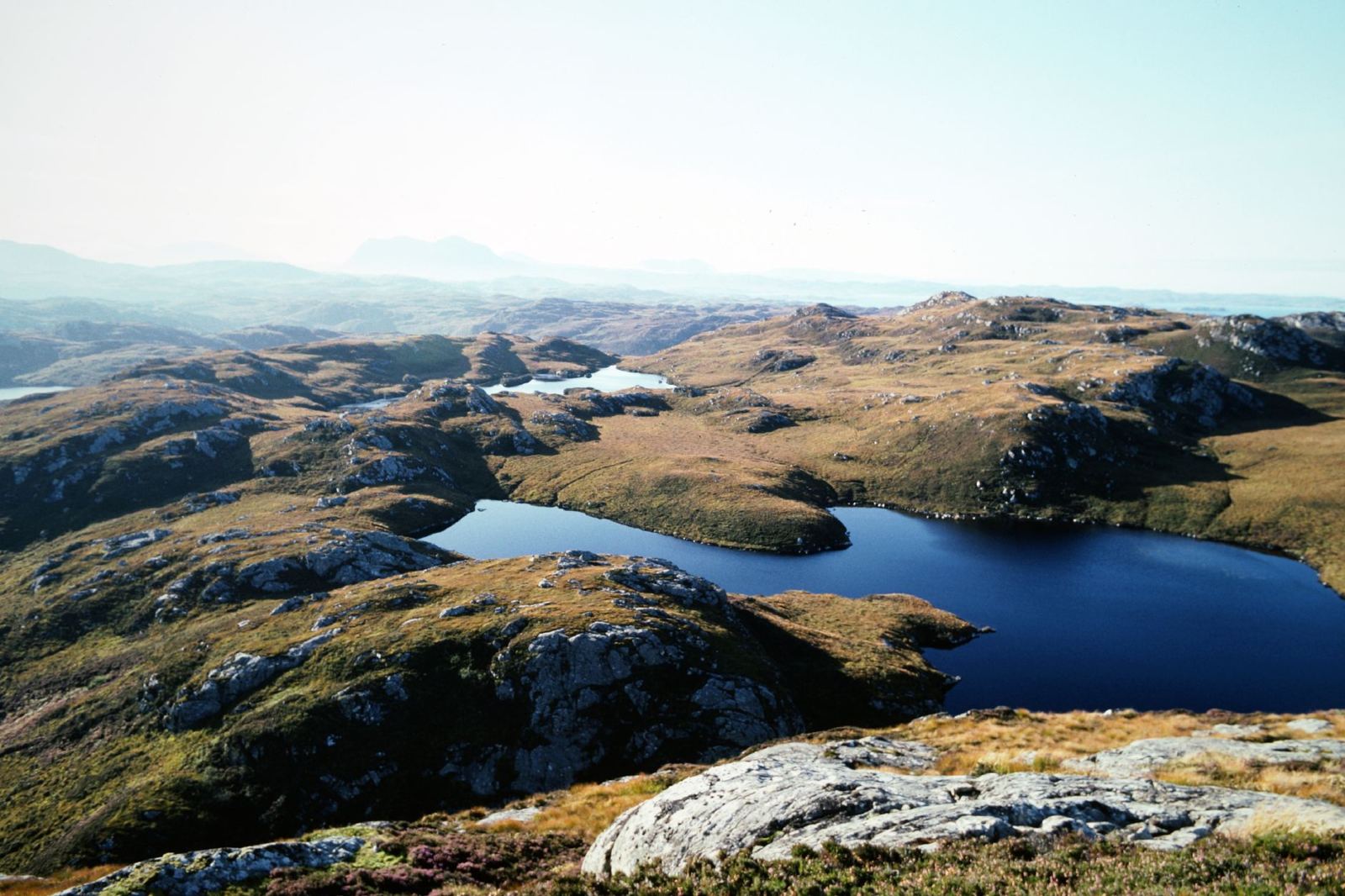
Scotland is the sum of two experiences: the city chapter, with Edinburgh's medieval skyline and festival energy; and the nature chapter, with the Highlands' empty glens, lochside castles and single-track roads. What unites them is character — this land holds no hill without a story, no loch without a legend.
The weather is fickle, the light dramatic, and precisely for that reason the scenery never turns ordinary: the same glen is three different places in morning mist, midday sun and evening gloaming. Rent a car, start early and leave real room in the plan for 'view stops' — in Scotland the road matters as much as the destination.
When to Go
May–June is the best window: long days, relatively dry weather, and the midges still in the minority. July–August is festival season — the Edinburgh Fringe is the world's biggest arts festival, but the city fills and prices soar. September–October is photographer season, with heather purples and autumn colour. Winter is short-dayed but atmospheric; snow-dusted Glencoe and empty roads reward the prepared. The midge truth: from June to September in the Highlands, evening repellent spray is essential.
What to See & Do
Edinburgh wants two or three days: the Royal Mile descending from the Castle to Holyrood, the sunrise/sunset climb up Arthur's Seat (45 minutes, the city's best view, free), the closes of the Old Town and the Georgian elegance of the New Town. Calton Hill is the sunset classic; Dean Village the postcard calm.
The Highlands route classics: the dramatic pass of Glencoe, the Glenfinnan Viaduct via Fort William (time it for the steam train), Eilean Donan castle, and the Isle of Skye — the Old Man of Storr walk, the Quiraing views and Portree's coloured harbour. Skye is crowded in summer; book beds early.
Loch Ness, legend-tourism aside, is a beautiful loch (with Urquhart castle); quieter alternatives are Glen Affric or the Cairngorms national park. The whisky chapter is shaped by region: Speyside elegant, Islay smoky-peaty — on distillery tours the driver can have their dram packed 'to go'. For the far north, the North Coast 500 is Scotland's legendary road route but demands a full week. St Andrews (the home of golf) and Stirling castle are the eastern route's worthy stops.
Food & Drink
Try haggis without prejudice: spiced, hearty and surprisingly good with neeps and tatties — the breakfast version is the gentler introduction. The Scottish breakfast (with tattie scone and square sausage) carries the day.
The seafood chapter is underrated but world-class: Loch Fyne oysters, fresh langoustines, Cullen skink (smoked haddock chowder) and the west coast salmon-smoking culture. Cranachan (raspberry, oats and whisky) and shortbread are the sweet classics. Don't rush a whisky tasting — a drop of water opens the aroma, and asking for it is etiquette, not inexperience. The craft beer and gin scenes are strong; Irn-Bru (the national orange soda) is tried once as a cultural experience. In the Highlands the pub is often the best kitchen going; the Sunday roast tradition lives here too.
Practical Tips
A car is essential for the Highlands; on single-track roads the passing places are for yielding, not overtaking — letting the local behind you pass is good manners. Fuel stations thin out in the north; never let the tank drop below half.
During the Edinburgh Fringe (August), book beds months ahead or shift your dates. The layers-plus-waterproof-shell formula applies in every season. Scotland has the 'right to roam': leaving the path is allowed, but close the gates and leave no trace. Midge repellent (Smidge is the common brand) is a fixture of the summer suitcase. Scottish banknotes are valid across the UK but sometimes raise eyebrows down south — easy to change. Calculate distances by time, not map: 60 km of lochside road comfortably takes an hour and a half. For castle-heavy plans, the Historic Scotland Explorer Pass pays for itself.