Peru offers three worlds on a single passport stamp: the Inca heritage of the Andes, the rainforest of the Amazon basin and the desert-oasis strip of the Pacific coast. Machu Picchu may be the country's shop window, but the real wealth lies in depth — from the village markets of the Sacred Valley to Lima's world-ranked kitchen.
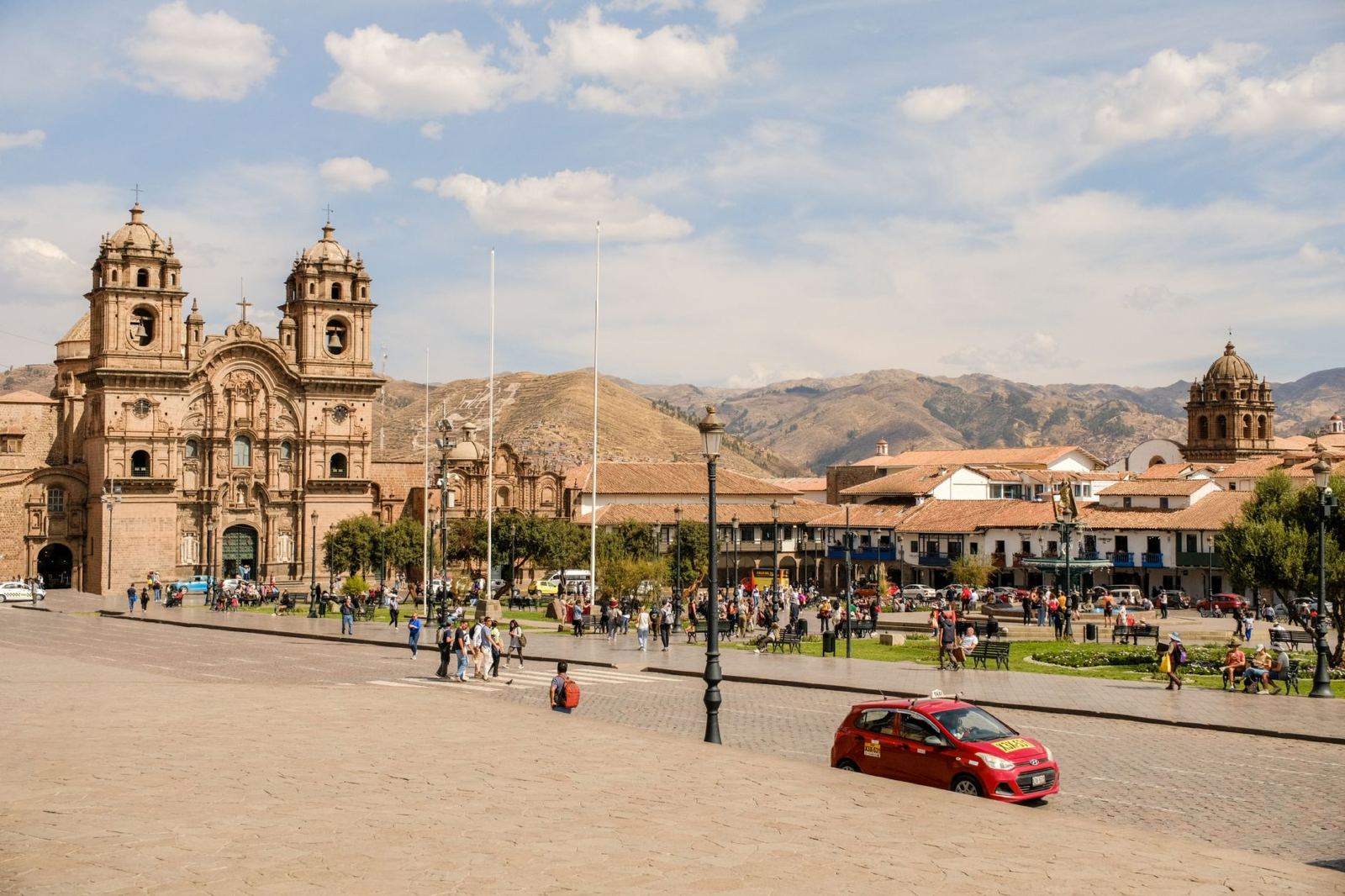
Route logic is built on altitude: on the Lima (sea level) → Cusco (3,400 m) line, acclimatisation is planning's first variable. Cusco has its own guide; the question here is the country's composition: the classic southern loop (Lima–Cusco–Titicaca–Arequipa) fills two weeks, with the Amazon and the north asking for a third.
When to Go
For the Andean route, May–September is the dry season: clear skies, dependable trails — and the thickest crowds; in June–August, Machu Picchu and Inca Trail permits sell out months ahead. April and October are the clever windows, balancing green scenery with manageable numbers. November–March is the mountain rainy season (the Inca Trail closes for maintenance in February) — but the coast lives its summer in exactly those months. The Amazon works year-round: trails lead in the dry season (May–October), canoe routes in the wet.
What to See & Do
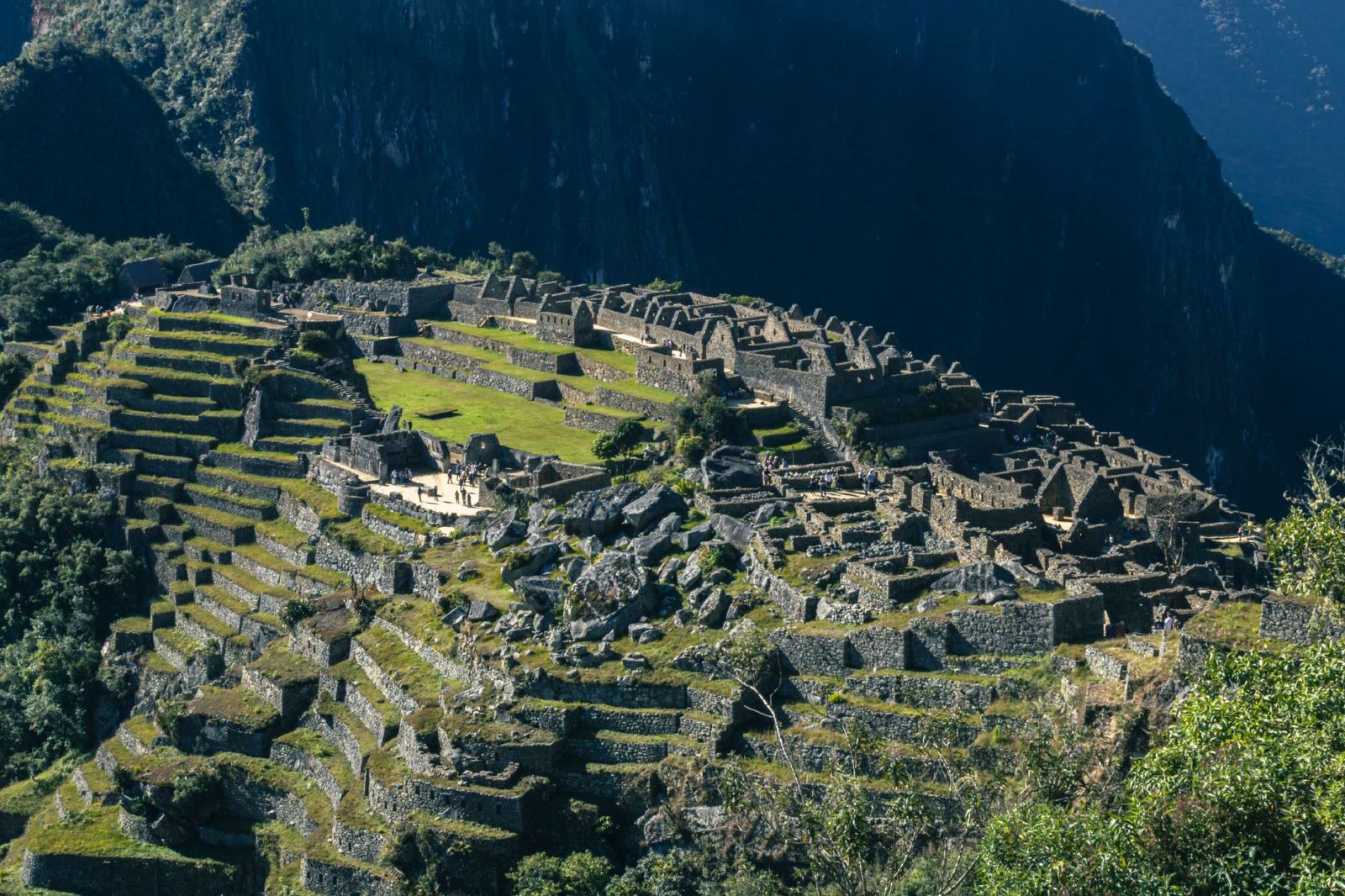
Machu Picchu and Sacred Valley strategy lives in our Cusco guide; the country route's other great stops are these: on Lake Titicaca (Puno), the reed islands of the Uros have gone touristic — the real experience is a night with a family on Amantaní or Taquile island. Arequipa, its colonial centre carved from white volcanic stone and the city-within-a-city of the Santa Catalina monastery, is the south's graceful pause; the nearby Colca Canyon shows condors riding the dawn thermals.
The coast carries its own character: the desert oasis and dune buggies of Huacachina, the sea lions of the Ballestas islands and the Nazca lines' mystery read from a light aircraft (bring a settled stomach). The Amazon opens through two gates: Puerto Maldonado (easy from Cusco, its lodge economy mature) and deeper Iquitos (reached only by air or river).
A third week opens the north: Huaraz's glacier lakes (Laguna 69) crown the trekking capital; the Kuelap fortress and Gocta falls of Chachapoyas belong to the rarely toured geography of pre-Inca civilisations. And don't treat Lima as a layover: Barranco's streets and its world-list restaurants earn the country's final evening.
Food & Drink
Peruvian cuisine sits on South America's gastronomic throne, and owes it to fusion: Andean produce (four thousand potato varieties, quinoa, corn) + Pacific fish + the techniques of Japanese and Chinese migrations. Ceviche is national identity — eaten at lunch (the fish lands in the morning), its leche de tigre drunk after; Lima's cevicherías are the cathedrals of the craft.
The Andean table's classics are lomo saltado (the Spanish-Chinese stir-fry synthesis), aji de gallina and pachamanca (meat and potatoes in an earth oven — the dish of village feasts); cuy (guinea pig) is a cultural experience for the curious. The nikkei (Japanese-Peruvian) and chifa (Chinese-Peruvian) kitchens peak in Lima. In drink, the pisco sour is the national cocktail, chicha morada (purple corn cordial) the daily refreshment, and mate de coca altitude's natural medicine. On the street, anticuchos (grilled heart skewers) and picarones (sweet potato doughnuts) are the evening classics.
Practical Tips
Altitude strategy is the trip's skeleton: take the first 24–48 hours in Cusco slowly (lodging in the Sacred Valley — lower than Cusco — is the smart trick), plenty of water, light food, no alcohol on day one. If soroche (altitude sickness) turns serious, the only medicine is descent.
For domestic transport, flying (Lima–Cusco in 1.5 hours) beats the long bus hauls; on the road, upper-segment firms like Cruz del Sur are the safety standard. Machu Picchu tickets (timed entry + train + Inca Trail permit if applicable) are the itinerary's earliest-booked item. The currency is the sol; cards are widespread but cash rules the market-and-village line. Don't drink tap water. Ride apps (in Lima) or hotel-called taxis are the safe standard. And don't be surprised by the coastal fog: Lima's 'garúa' grey is normal May–October — the sun waits on the far side of the Andes.