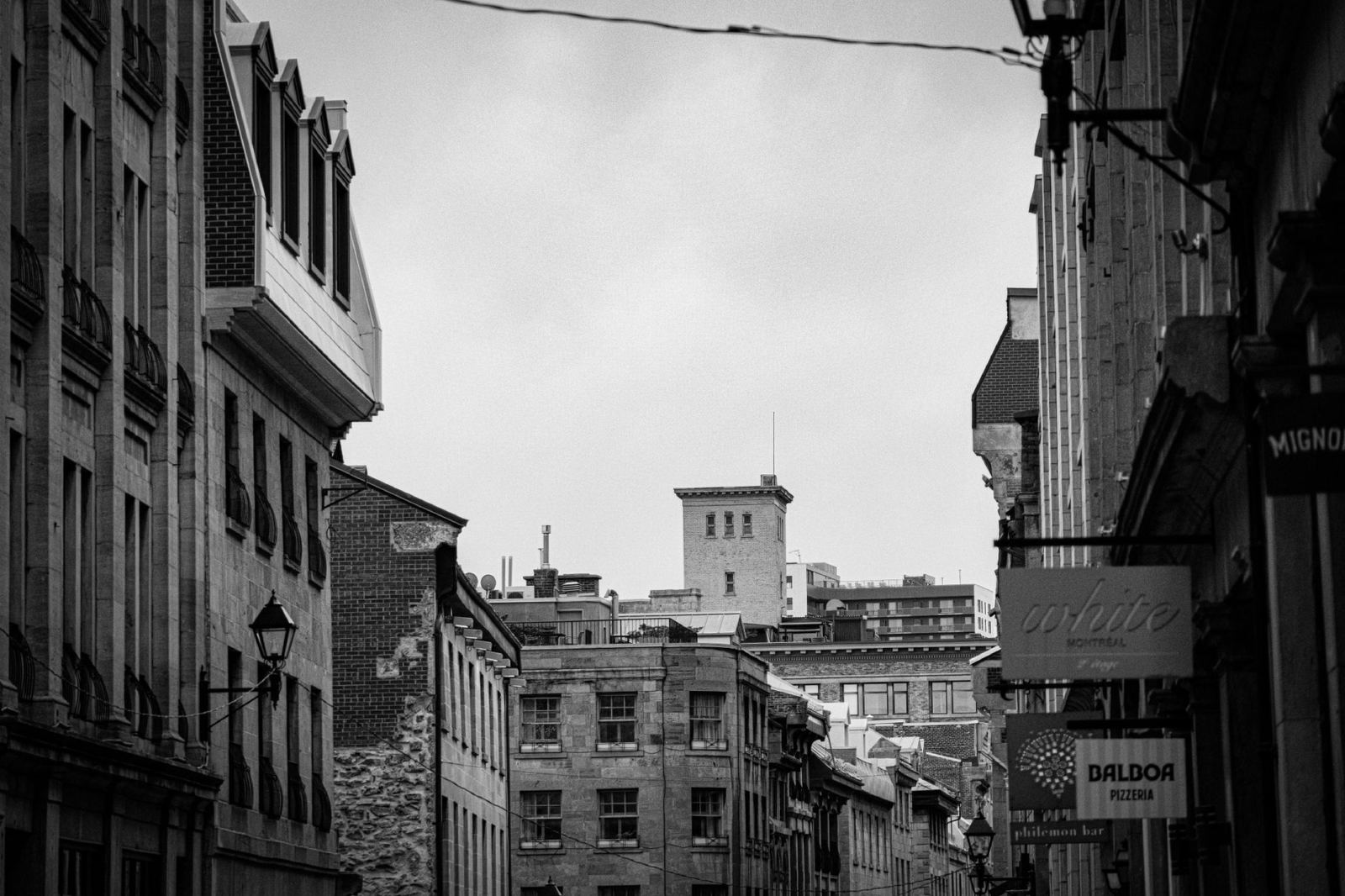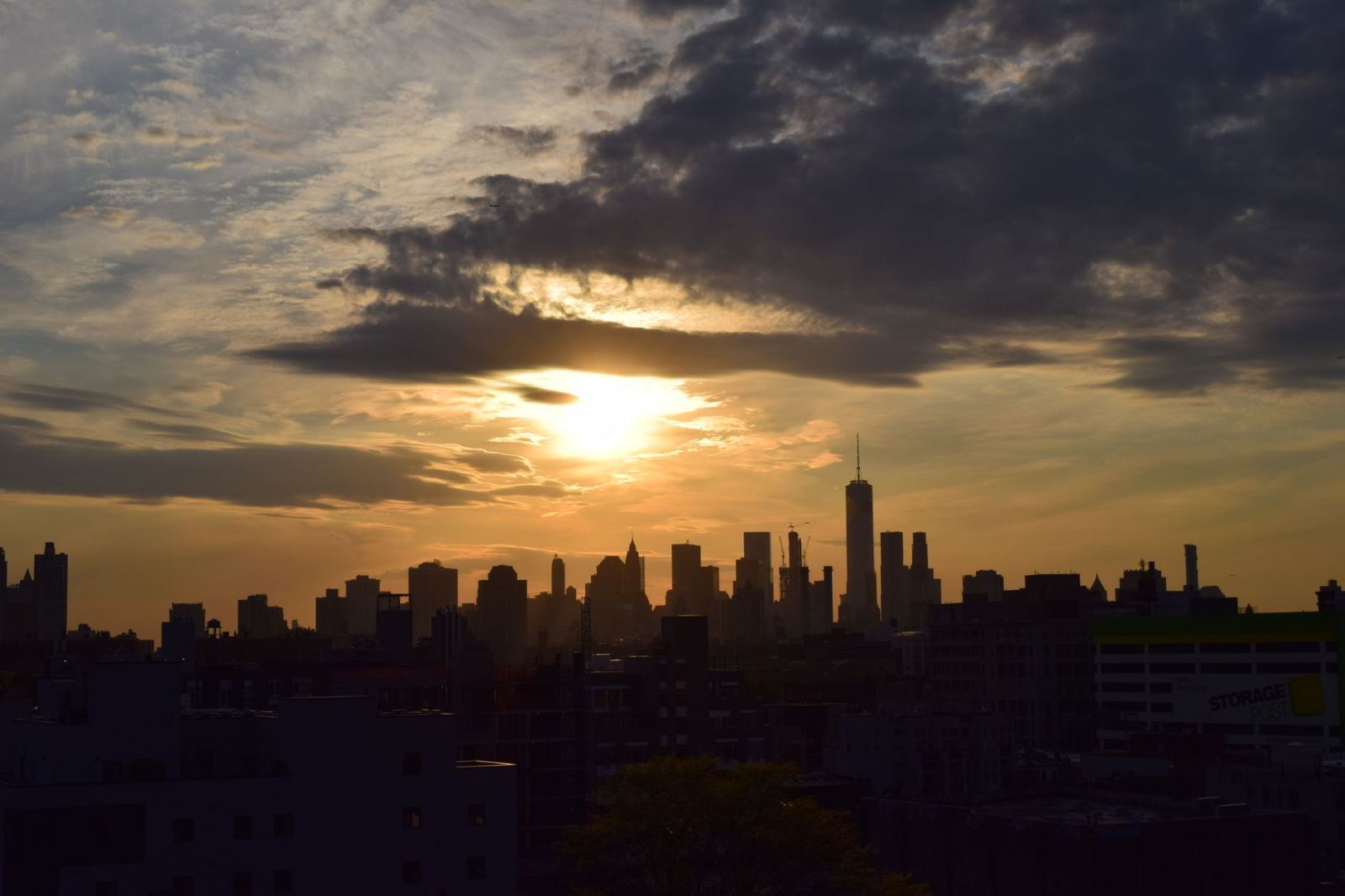
First-time visitors to New York experience a strange familiarity: yellow cabs, steaming manholes, the avenues — you know it all from the movies. But the city's true scale and tempo don't fit on a screen. Walking Manhattan's streets makes you extra and audience at once.
The rookie mistake is thinking New York equals Midtown. See Times Square once, then scatter into the real city: the crooked lanes of the West Village, Brooklyn's coffee-roasting neighbourhoods, the world cuisines of Queens, Harlem's musical heritage. The subway runs 24 hours and is the city's true bloodstream.
When to Go
September–October is New York at its best: crisp skies, autumn colour in Central Park, walkable temperatures. April–June is the second-best window. Summer is humid and crowded but packed with free outdoor events. December's holiday windows and the tree are magical — if you can face the crowds. January–February is freezing but hotels hit their annual low.
What to See & Do
Treat Central Park as a destination, not a shortcut — Bethesda Terrace, Bow Bridge and the Ramble are enough to start. Give the Metropolitan Museum at least half a day; MoMA and the Natural History Museum round out the first-visit classics.
For the skyline, choose Top of the Rock over the Empire State (so the Empire State is in your view) — or ride the free Staten Island Ferry past the Statue of Liberty. Walk the Brooklyn Bridge from Brooklyn toward Manhattan at sunset.
The High Line, a park built on an old freight rail line, links the Chelsea galleries to Hudson Yards. For Broadway, the TKTS booth and official lottery apps are budget-friendly. Give one morning to Grand Central's ceiling and one evening to a Harlem jazz club.
Food & Drink
Food in New York is a map of immigration history: pastrami at Jewish delis, the Italian pizza slice, dumplings in Chinatown, the rest of the world in Queens. The slice and the bagel with lox are the city's two staple foods.
Smorgasburg (weekends, Brooklyn) is the showcase of street food. If fine dining is in your budget, lunch menus run half the evening price. Breakfast culture lives as 'brunch', and weekend queues are serious — book ahead. Tipping 18–20% is standard; it's not optional but part of the system.
Practical Tips
From the airport: AirTrain plus subway is the cheapest route from JFK; yellow cabs charge a flat JFK–Manhattan rate. On the subway, just tap a contactless card with OMNY — after the weekly fare cap, the rest of your rides are free.
Avenues run north–south, streets east–west; the numbers make navigation easy. Walking pace is a genuine rule of the city — don't stop dead on the pavement; step aside. At many museums the 'suggested' admission is flexible only for New York State residents; check the rules. Manhattan is expensive; Long Island City and Downtown Brooklyn balance cost and location for accommodation.