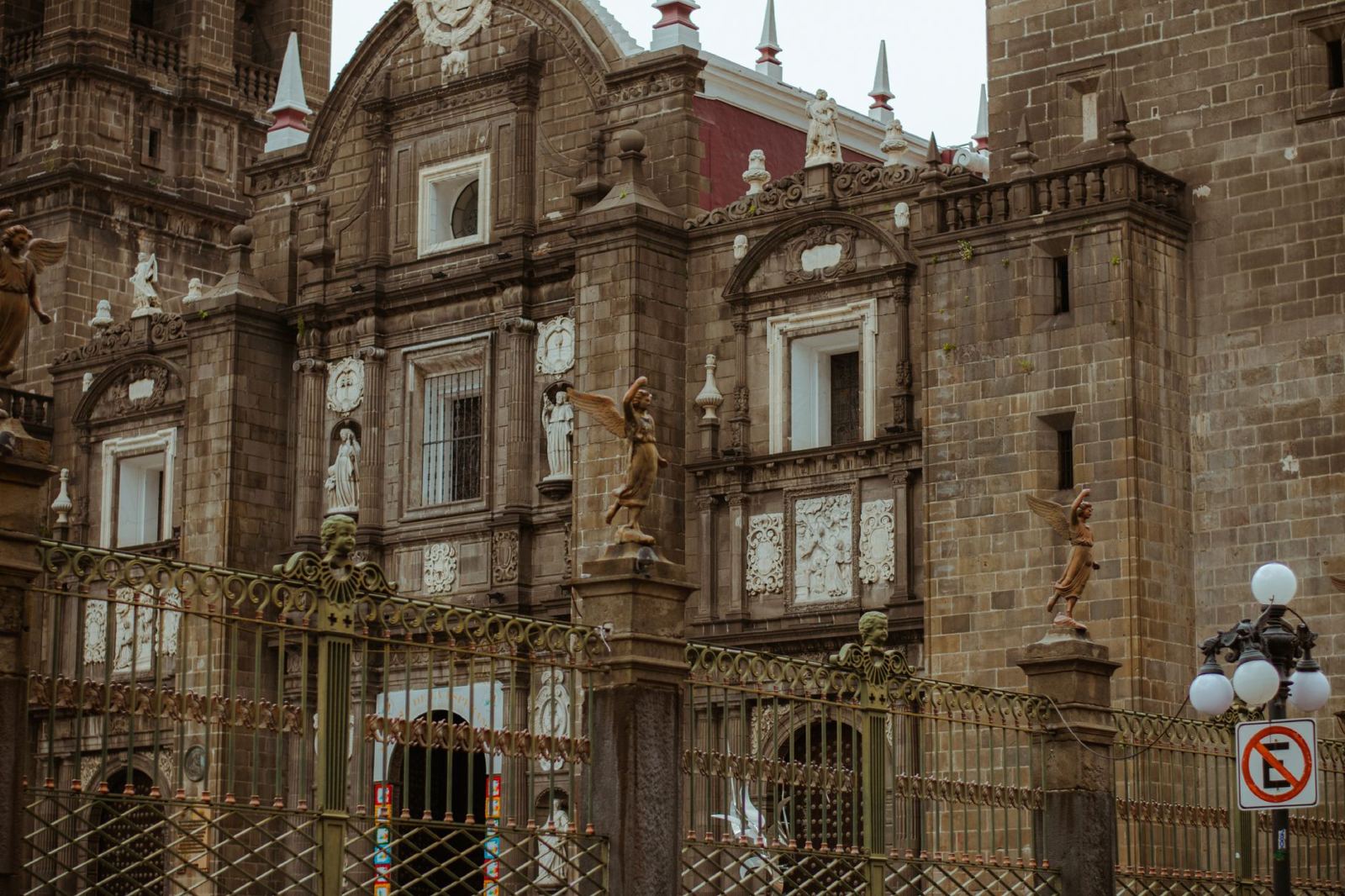
Mexico City is a city of layers — literally: the cathedral on the main square stands on the stones of an Aztec temple, with the Templo Mayor excavations right beside it. That five-hundred-year palimpsest continues on every corner: colonial palaces, Diego Rivera murals, art deco apartments and contemporary architecture share the same street.
The reason it has become a favourite of world travellers is simple: near the top globally in museum density, indisputably at the summit in food, and still generous in its price-to-experience ratio. Respect the altitude (2,240 m) on day one; the city's rhythm will slow you down anyway.
When to Go
March–May is the warmest stretch and the most photogenic, with the jacarandas in purple bloom; October–November is clear and balanced. June–September is the rainy season, but showers usually last an hour or two in the afternoon — mornings remain fully usable. The Day of the Dead (Día de Muertos) in early November turns the city into a stage without equal on earth; plan months ahead for that week. Winter nights are cool but the days sunny.
What to See & Do
Start at the Zócalo: the cathedral, Rivera's murals in the National Palace and the Templo Mayor tell five centuries on a single square. The orange dome of Bellas Artes and its mural floor are loveliest in afternoon light; the terrace of the Sears café opposite is the classic photo point.
The Museum of Anthropology ranks among the world's finest — give the Aztec sun stone and the Maya hall at least half a day. Chapultepec park and castle attach to the same day. Book ahead, without fail, for Frida Kahlo's Blue House (Coyoacán); then spend the late afternoon in the cafés of Coyoacán's square.
The Roma and Condesa neighbourhoods — art deco façades, tree-lined avenues, cafés — are the city's walking heart. The Saturday art market of San Ángel and a Sunday morning on Xochimilco's painted trajinera boats (a canal ride with mariachis) fill the weekend. Leave early for the Teotihuacan pyramids an hour out — reaching the Pyramid of the Sun in the morning cool makes all the difference. The Luis Barragán House is a reservation-only pilgrimage for architecture lovers.
Food & Drink
Mexico City is the world capital of both the street taco and fine dining. The taco chapter is a serious curriculum: al pastor (kin to the döner heritage), suadero, carnitas and the midnight classic taco de canasta. The rule holds everywhere: the busy stand is the fresh stand.
Mornings mean tamales and atole from street carts; Sundays mean barbacoa at family eateries. The mercados (Medellín, Coyoacán, San Juan) are the schools of counter food. Mole opens a sauce universe far beyond guacamole — the city's Oaxacan restaurants are strong. In drinks, mezcal bar culture is at its peak; pulque (fermented agave) is the braver local experience. Let's correct the tired cliché: there is no single 'Mexican food' — the kitchens of thirty-two states are represented in this city.
Practical Tips
The altitude is real: lower your pace on day one, drink plenty of water, save alcohol for day two. In the rainy season, pack the umbrella every morning.
Uber is safe and cheap; always use the app rather than street taxis. The metro is inexpensive and extensive but crushing at rush hour; there are women-only carriages. The Roma–Condesa–Coyoacán triangle and the tourist centre are comfortably walkable with standard caution; avoid empty streets at night. Cards are widespread but taco stands want cash — keep small notes. The 'propina' (tip) of 10–15% is standard. A few words of Spanish open every door. Most museums close on Mondays; place reservation-only sites like Frida and Barragán mid-trip, not at the start, so you can catch the ticket calendar.