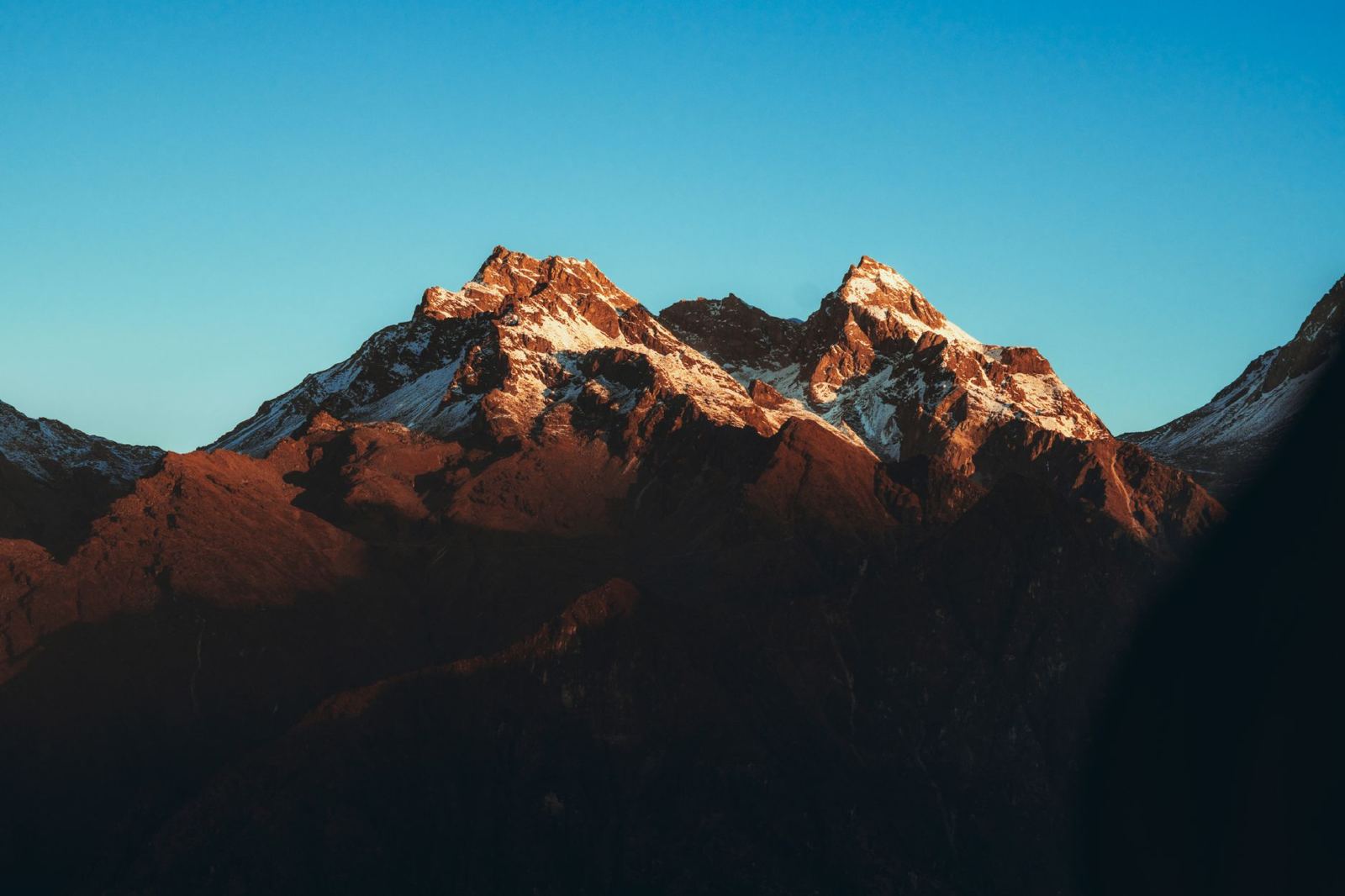
Nepal holds eight of the world's ten highest mountains — but the country's real miracle is that these giants' foothills are reached by a web of trails and teahouses: Himalayan trekking here is not technical mountaineering but a cultural journey walked village to village. A backpack, fair fitness and two weeks suffice to drink tea facing Everest or Annapurna.
In the mountains' shadow lives a second Nepal: the medieval city-states of the Kathmandu Valley (Kathmandu, Patan, Bhaktapur), the birthplace geography of the Buddha and the lowland forests of Chitwan. Even for non-trekkers, the country offers one of Asia's densest cultural routes.
When to Go
Two golden windows exist: October–November (post-monsoon clarity — trekking's royal season, with full trails and flights) and March–April (mild days plus rhododendron forests staining the hillsides red). December–February is cold but clear; low routes (Poon Hill) walk well in winter while high passes take on snow risk. The June–September monsoon wraps the trails in leeches and cloud — yet rain-shadowed Mustang and Dolpo open in exactly that season. The Kathmandu Valley tours year-round.
What to See & Do
The trekking choice is the trip's constitution: Everest Base Camp (12–14 days, via the Lukla flight — the world's most famous trail, Sherpa culture and Namche's market included) and the Annapurna circuit/ABC (variety, easier logistics, with Poon Hill as its 4–5 day 'trailer' version) are the two classics; Langtang is the crowd-free alternative closest to Kathmandu. All are teahouse-lodged — no tent required; TIMS/permit paperwork and the guide rules (which vary by region) should be checked in their current form.
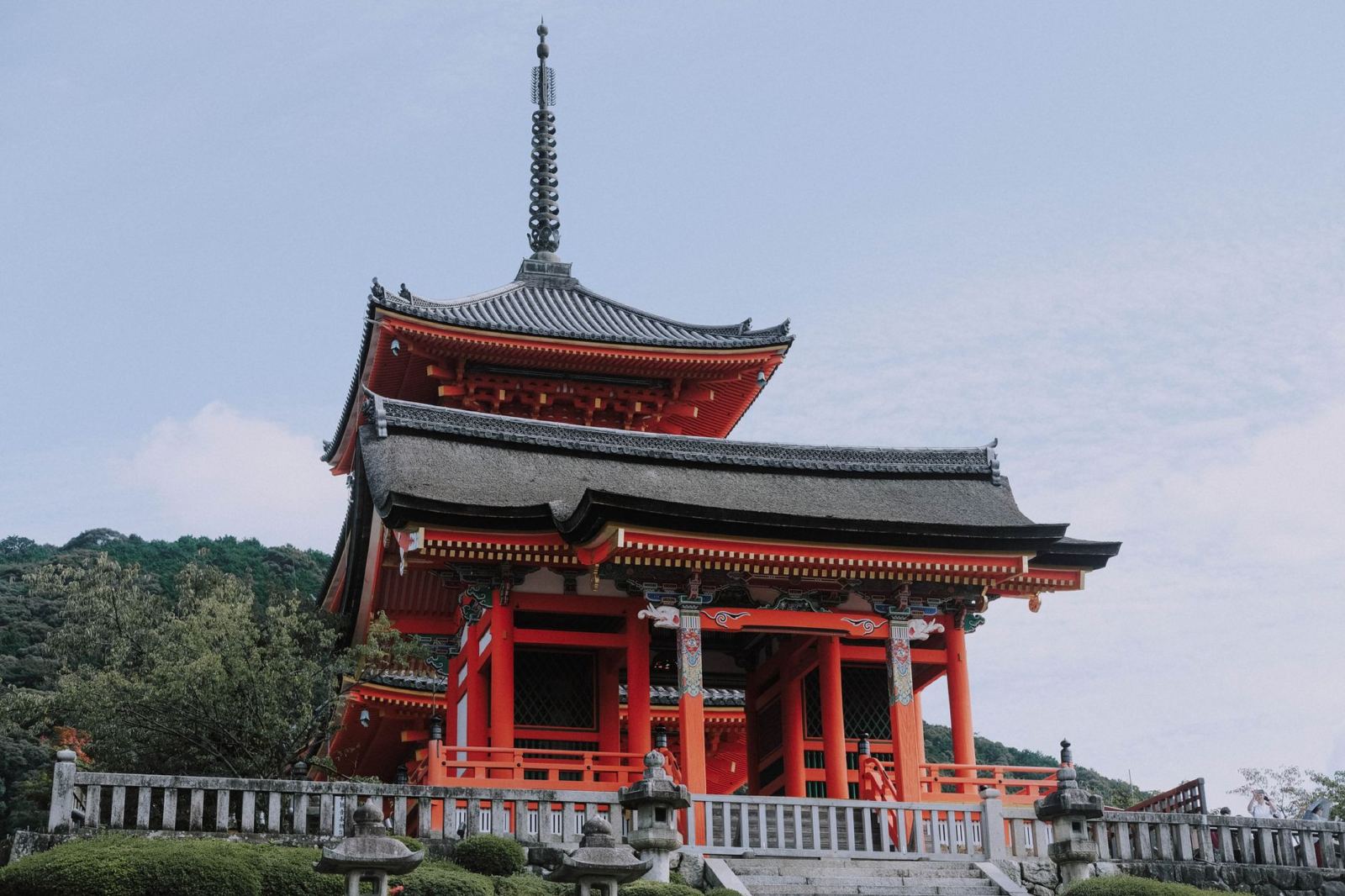
The Durbar squares of the Kathmandu Valley — Kathmandu, Patan and, best preserved, Bhaktapur — are open-air museums of Newar woodwork. The eyed stupa of Swayambhunath (the Monkey Temple) overlooks the city; Boudhanath's vast white dome turns with butter lamps on the evening kora walk (clockwise); Pashupatinath shows the cycle of life and death unhidden on the Bagmati's banks.
Pokhara, its lake mirroring Annapurna, is trekking's gateway and resting room — sunrise from Sarangkot and paragliding are its classics. Chitwan National Park takes the lowland chapter with rhino and (with luck) tiger safaris; Lumbini, the Buddha's birthplace, takes the pilgrimage chapter. And for those who'd meet the mountains by air: the morning 'mountain flights' bring Everest to the window on cloudless days.
Food & Drink
Dal bhat is the engine of trekking and of the country: the plate of lentil soup, rice, vegetable curry and pickle arrives in the teahouses with refill-when-finished generosity — the 'dal bhat power, 24 hour' joke is the trails' shared language. Momos (Tibetan dumplings — steamed or fried, with chilli sauce) are the national snack; thukpa (noodle soup) befriends cold evenings.
Newar cuisine is the valley's hidden depth: the samay baji platter in the back lanes of Patan and Bhaktapur, and Bhaktapur's juju dhau ('king of yoghurts', in a clay bowl) must be tried. High on the treks the menu simplifies and the price climbs — the honest cost of ingredients carried on mule and porter backs. The tea chapter turns on masala chia; butter tea is the high villages' offering. Water safety is serious: purification tablets or a filter beat the waste of bottled water.
Practical Tips
Altitude is the real examination of the Everest and Annapurna routes: never sleep more than 300–500 metres higher than the night before, never skip acclimatisation days, and if headache and appetite loss turn serious the only medicine is descent — these rules brook no bargaining. Comprehensive travel insurance (helicopter evacuation included, covering your trekking altitude) is a mandatory expense.
Lukla flights are hostage to weather: build 2–3 buffer days into the plan. Hiring a guide or porter serves both safety and the local economy — and since independent-trekking rules vary by region, check the current ones. Visas come on arrival (have cash dollars ready). Kathmandu's traffic and dust make masks welcome; for short city hops the Pathao and inDrive apps work. For power cuts and cold teahouse nights, a power bank and sleeping bag (rentable) are standard kit. And the final note concerns bargaining: on Thamel's trekking-gear stalls, the price tag is the conversation's opening line.