Barcelona is one of those rare cities where a planned grid and a medieval labyrinth sit side by side. Step out of the Gothic Quarter's narrow lanes into the wide, tree-lined boulevards of the Eixample and you cross between centuries — with Gaudí winking at you somewhere in both.
The city's rhythm is Mediterranean: late breakfast, long lunch, dinner rarely before nine. Don't resist the rhythm — adapt to it. Barcelona opens up to those who linger in its streets, not to those in a hurry.
When to Go
May–June and September are prime time: the sea has warmed up and the sun is out, without August's stifling crowds. In July and August the city is both hot and packed; plan early mornings. Winter is mild — you can still have coffee on a terrace in January, and the queues at Gaudí's landmarks all but disappear.
What to See & Do
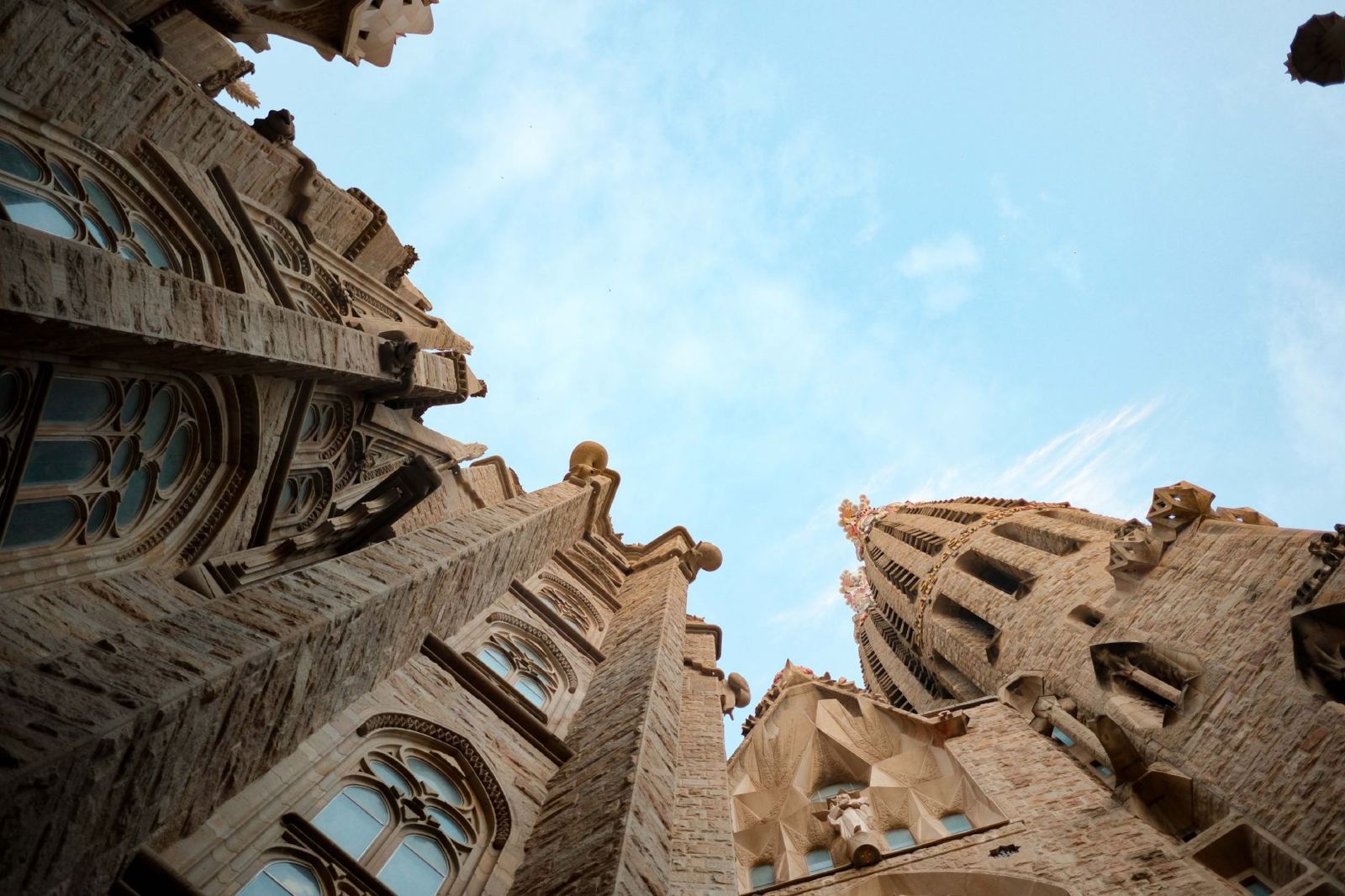
The Sagrada Família earns every cliché; book ahead, add the tower access, and aim for afternoon light when the stained glass paints the interior orange and violet. The same rule applies to Park Güell: without a reservation you may be turned away.
Aimless walking through the Gothic Quarter and El Born forms a natural route from the geese in the cathedral cloister to the Picasso Museum. See at least one of Casa Batlló or La Pedrera from inside — Gaudí's interior imagination outdoes even his façades.
Montjuïc hill deserves a full day: the Miró Foundation, the castle and the city views. Barceloneta beach is walkable, but stroll further to Bogatell for calmer sand. The historic tram up to Tibidabo and the old amusement park at the top make a romantic sunset finale.
Food & Drink
Catalan cuisine is more than tapas: pa amb tomàquet (tomato bread), fideuà (noodle paella) and crema catalana are the local classics. La Boqueria market is touristy but still worth seeing; for a more local experience head to Mercat de Sant Antoni.
Dinner reservations before 9 p.m. count as 'tourist hour'. Vermouth culture is the elegant form of the midday drink — try it in a bodega with olives and tinned delicacies. The lunchtime menú del día offers surprising quality at fair prices.
Practical Tips
From the airport, the Aerobús or the R2 Nord train are the practical options. For the metro, the T-casual (10 rides) card beats single tickets by a wide margin.
Pickpocketing is a real issue on La Rambla and the metro; carry your bag in front and keep phones out of back pockets. Never leave beach bags unattended. Catalan and Spanish live side by side; a few Catalan words (bon dia, gràcies) open every door. Most shops close on Sundays but museums stay open — some are free on Sunday afternoons.