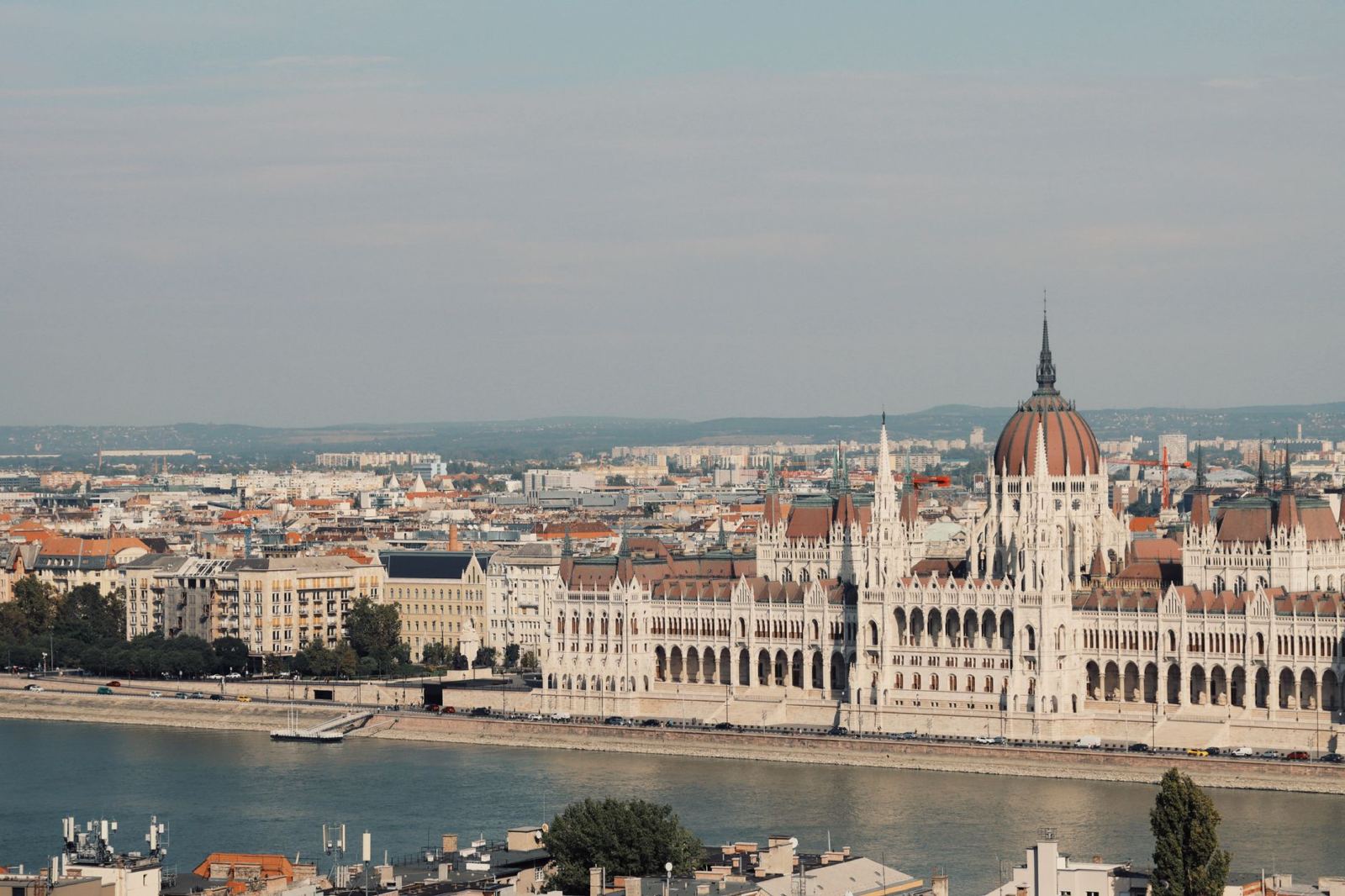
Budapest is really two cities: Buda with its hills, castle and quiet streets; Pest with its boulevards, cafés and nightlife. Between them the Danube forms Europe's most majestic river frontage — the moment the Parliament's evening lights hit the water ranks among the continent's finest views.
Beneath the city bubble more than a hundred thermal springs; everyone from the Romans to the Ottomans built baths here. Living Budapest properly starts with at least one morning in a steaming thermal pool.
When to Go
April–June and September–October are ideal; the weather is perfect for Danube-side walks. In August the Sziget Festival makes the city younger — and pricier. Winter is cold, but that's the true season of the thermal baths: snow outside, 38 degrees in the pool. The December Christmas markets rank among Europe's best.
What to See & Do
Book Parliament interior tickets online; the best exterior angle is from Batthyány Square across the river. An evening river cruise presents the whole façade illuminated — a cliché, but a justified one.
On the Buda side, explore the Castle District with Matthias Church and Fisherman's Bastion early in the morning. The walk up Gellért Hill is the best-rewarded climb in the city. For thermal bathing: Széchenyi's yellow baroque pools are the classic, Gellért's art nouveau interior the most elegant, and Rudas — with its Ottoman dome and rooftop pool — the most atmospheric.
In Pest, walk Andrássy Avenue from the Opera to Heroes' Square. The Great Synagogue (Europe's largest) and the Jewish Quarter, followed by the same district's ruin bars (Szimpla Kert above all), deliver the day-night contrast in a single route. The Shoes on the Danube memorial is the city's most haunting riverside moment.
Food & Drink
Hungarian cuisine revolves around paprika: gulyás soup, chicken paprikash and lángos (fried dough with garlic and cheese) are the essential stops. The upper floor of the Central Market Hall is touristy but practical for a quick tasting tour.
A new generation of bistros is reinterpreting the traditional kitchen with a lighter hand — chase the 'new Hungarian' label. The sweet whites of Tokaj and the reds of Eger are treasures of Hungarian wine that still lack the fame they deserve. For historic café culture, the New York Café is over-gilded; the Central feels more genuine. For dessert: somlói galuska and Dobos torte.
Practical Tips
The currency is the forint (HUF); places accepting euros apply poor rates. Cards work almost everywhere.
Public transport (metro, tram, bus) is excellent; the 72-hour ticket is a practical investment. Tram 4-6 runs along the Grand Boulevard around the clock. The M1 metro, continental Europe's oldest underground line, is a monument in itself. Bring a towel and flip-flops to the baths (renting is pricey); online tickets skip the Széchenyi queue. Use the Bolt app instead of hailing taxis. Tipping runs 10–12% and is often already added as a 'service charge' — don't pay twice.